Ramps: A Wild Spring Delicacy with a Rich Culinary and Cultural Heritage
Ramps, also known as wild leeks or spring onions, are a flavourful and pungent vegetable that holds a special place in the culinary world. In this professional article, we will delve into the fascinating history of ramps, discuss their population and varieties, uncover interesting facts, provide storage information, offer cooking tips, and highlight other important aspects of these beloved spring delicacies.
History
Ramps have a long history of culinary and cultural significance in North America. Native American tribes, such as the Cherokee and Iroquois, were among the first to appreciate the unique flavours of ramps and used them as a staple ingredient in their cuisine. Over time, ramps gained popularity among European settlers and became a cherished ingredient in Appalachian and Southern cooking.
Population
Ramps are primarily found in the eastern regions of North America, including the Appalachian Mountains and parts of Canada. Due to their popularity and limited availability, ramps have become a sought-after ingredient, leading to concerns about overharvesting and sustainability. Efforts are being made to promote responsible foraging and cultivation practices to preserve ramps for future generations.
Varieties
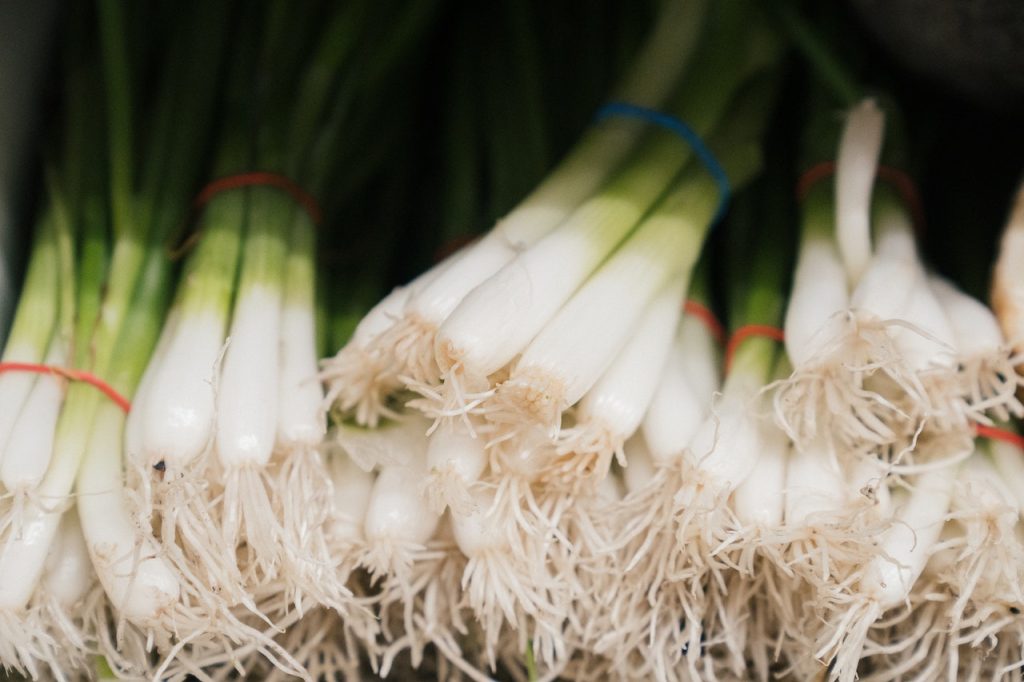
While ramps are primarily known for their vibrant green leaves and slender bulbs, there are slight variations in flavour and appearance depending on the region. Some common varieties of ramps include the Allium tricoccum, Allium burdickii, and Allium ursinum. Each variety offers its own unique nuances of flavour, ranging from mild onion and garlic notes to more pronounced pungency.
Interesting Facts:
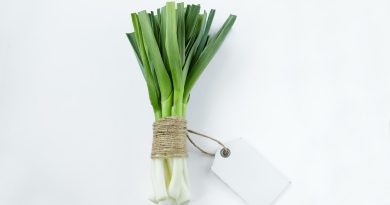
– Ramps are often referred to as “wild leeks” due to their resemblance to leeks, with their long green leaves and small white bulbs. However, ramps have a distinct flavour that sets them apart from traditional leeks.
– Ramps are celebrated for their short season, typically appearing in early spring. This limited availability contributes to their allure and makes them highly anticipated by food enthusiasts.
– Ramps are not only renowned for their culinary uses but also hold cultural significance. They are the focus of Ramp Festivals and community gatherings in various regions, where people come together to celebrate and enjoy this wild delicacy.
Storage Information
Proper storage is crucial to maintain the freshness and flavour of ramps. Here are some storage tips:
– To preserve the freshness of ramps, remove any dirt or debris from the leaves and bulbs. Trim the roots and separate the bulbs from the leaves, as they can be stored separately.
– Store the leaves and bulbs in separate plastic bags or containers. The leaves can be stored in the refrigerator for up to a week, while the bulbs can be kept in a cool, dark place for a slightly longer period.
– It is important to note that ramps are best enjoyed fresh, as their flavour diminishes over time. Whenever possible, consume ramps soon after harvesting or purchasing for the best culinary experience.
Cooking Tips
Ramps offer a unique and bold flavour that can elevate a wide range of dishes. Here are some cooking tips to make the most of ramps:
– The entire ramp plant is edible, from the leaves to the bulbs. The leaves can be used in salads, sautéed as a side dish, or incorporated into soups and stews. The bulbs can be pickled, grilled, roasted, or used as a flavourful addition to various dishes.
– When cooking with ramps, it is important to balance their pungency with other ingredients. Pair them with milder flavours like eggs, potatoes, or pasta to allow their distinct taste to shine without overpowering the dish.
– Ramps can be enjoyed in both raw and cooked forms. Raw ramps offer a strong and pungent flavour, while cooking them can mellow their intensity and bring out their sweetness.
Other Important Information
Ramps are not only a culinary delight but also a symbol of the arrival of spring. Their vibrant green leaves and earthy aroma evoke a sense of freshness and renewal, making them a highly anticipated ingredient among chefs and food enthusiasts alike.
When foraging for ramps, it is important to do so responsibly and sustainably. Harvesting ramps in a way that allows for their natural regeneration ensures their availability for future generations. If purchasing ramps, choose those that are sustainably sourced or cultivated to support responsible practices.
In conclusion, ramps’ unique flavour profile, limited availability, and cultural significance make them a cherished ingredient in North American cuisine. Their pungent taste and versatility in cooking allow for endless culinary creations during the short spring season. By understanding their history, varieties, storage requirements, and cooking techniques, you can fully appreciate and savour the distinct flavours of ramps. Whether enjoyed in simple preparations or incorporated into elaborate dishes, ramps bring a touch of wild and seasonal delight to the table.