Parmesan Cheese: A Timeless Italian Delicacy
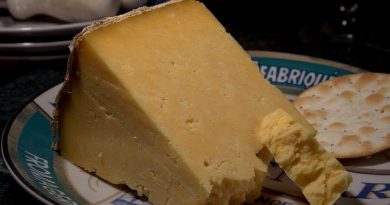
Parmesan cheese, also known as Parmigiano-Reggiano, is a true gem in the world of culinary delights. With its rich flavour, granular texture, and versatility, Parmesan has become a staple ingredient in countless recipes worldwide. In this article, we will explore the fascinating history of Parmesan cheese, delve into the intricate process of its creation, uncover some interesting facts, and provide helpful tips on storage and culinary use.
Historical Background
Parmesan cheese has a long and storied history, dating back over 800 years. It originated in the Emilia-Romagna region of northern Italy, specifically in the provinces of Parma, Reggio Emilia, Modena, and parts of Bologna and Mantua. The production methods and regulations governing Parmesan cheese have remained virtually unchanged since the 13th century.
Manufacturing Process
The production of Parmesan cheese is a labour-intensive and meticulous process. It begins with fresh raw milk from cows fed a specific diet. The milk is heated and mixed with calf rennet to initiate coagulation. The resulting curds are cut into small granules, which are then cooked and stirred. After the curds settle, they are placed into moulds and left to rest for a day. The cheese wheels are then immersed in brine for several weeks, followed by a minimum aging period of 12 months. Some wheels are aged for up to 36 months, resulting in a more intense and complex flavour.
Fun Facts:
– Parmesan cheese is made using only three ingredients: milk, salt, and calf rennet.
– Authentic Parmesan cheese wheels can weigh up to 88 pounds (40 kg).
– Each wheel is stamped with the Parmigiano-Reggiano logo, guaranteeing its authenticity and quality.
– Parmesan cheese is lactose-free, making it suitable for individuals with lactose intolerance.
– It takes approximately 550 litres of milk to produce a single wheel of Parmesan cheese.
Culinary Tips:
– Grate Parmesan cheese just before using it to preserve its aroma and flavour.
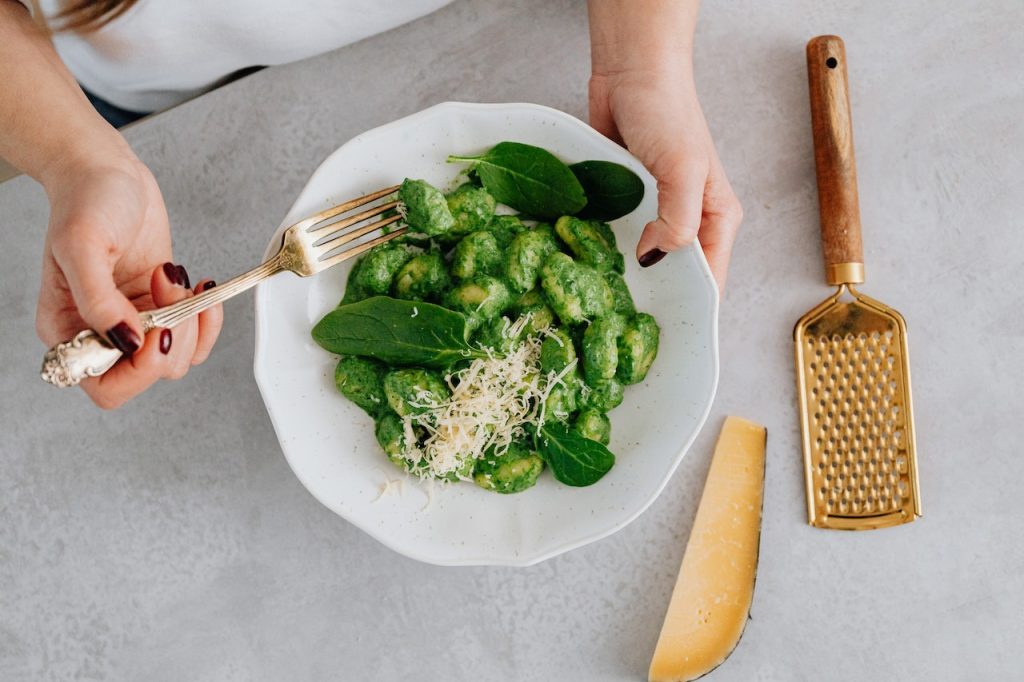
– Use a microplane or fine grater for a light, fluffy texture.
– Parmesan cheese pairs exceptionally well with pasta, risotto, salads, and soups.
– Add freshly grated Parmesan to your favourite roasted vegetables for an extra burst of flavour.
– Parmesan rinds can be added to soups or stews for a rich, savoury taste.
Storage Tips
– To maintain the quality of Parmesan cheese, store it in the refrigerator in a tightly sealed container or wrapped in wax paper.
– Avoid storing Parmesan cheese in plastic, as it can cause it to sweat and lose its texture.
– If you have a large piece of Parmesan, consider using a cheese saver or vacuum-sealed bags to extend its shelf life.
Parmesan cheese stands as a testament to the artistry and dedication of Italian cheesemakers. Its centuries-old tradition, intricate production process, and delightful flavour make it a beloved ingredient worldwide. Whether grated over pasta or enjoyed in chunks, Parmesan cheese adds a touch of elegance to any dish. So, next time you Savor this culinary masterpiece, remember the rich history and craftsmanship that goes into every bite.