Raclette: The Melting Heritage of Swiss Culinary Art
Raclette, a celebrated dish with Swiss origins, is not just a meal; it’s an experience. This delectable tradition, marked by the communal act of melting cheese, has found its way into kitchens and restaurants around the world. In this article, we will explore the history, popularity, varieties, interesting facts, storage recommendations, cooking tips, and essential information about Raclette.
History
Raclette’s history dates back to the Alpine regions of Switzerland, where it was first mentioned in medieval writings in the Valais canton. The name “raclette” is derived from the French word “racler,” meaning “to scrape” or “to shave.” The traditional method of melting cheese by the fire and scraping it onto plates is at the heart of the Raclette experience. Today, it remains a cherished part of Swiss culinary heritage.
Population
While Raclette is an integral part of Swiss cuisine, its popularity has transcended international borders. The concept of melting cheese and enjoying it with a variety of accompaniments has resonated with people across the globe. In Switzerland, Raclette is often enjoyed at family gatherings and special occasions, while in other countries, it has become a culinary highlight in restaurants and homes alike.
Varieties
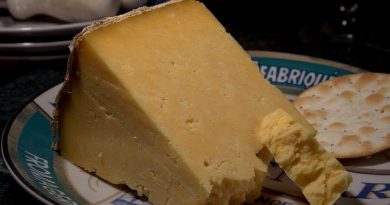
Raclette cheese is available in several varieties, each offering a unique flavour profile. The most common is “Raclette de Valais,” made in the Valais region of Switzerland. Other popular varieties include “Raclette de Savoie” from the French Alps and “Raclette Suisse” from the Swiss canton of Jura. Each variety boasts distinct characteristics, often influenced by the local terroir.
Interesting Facts:
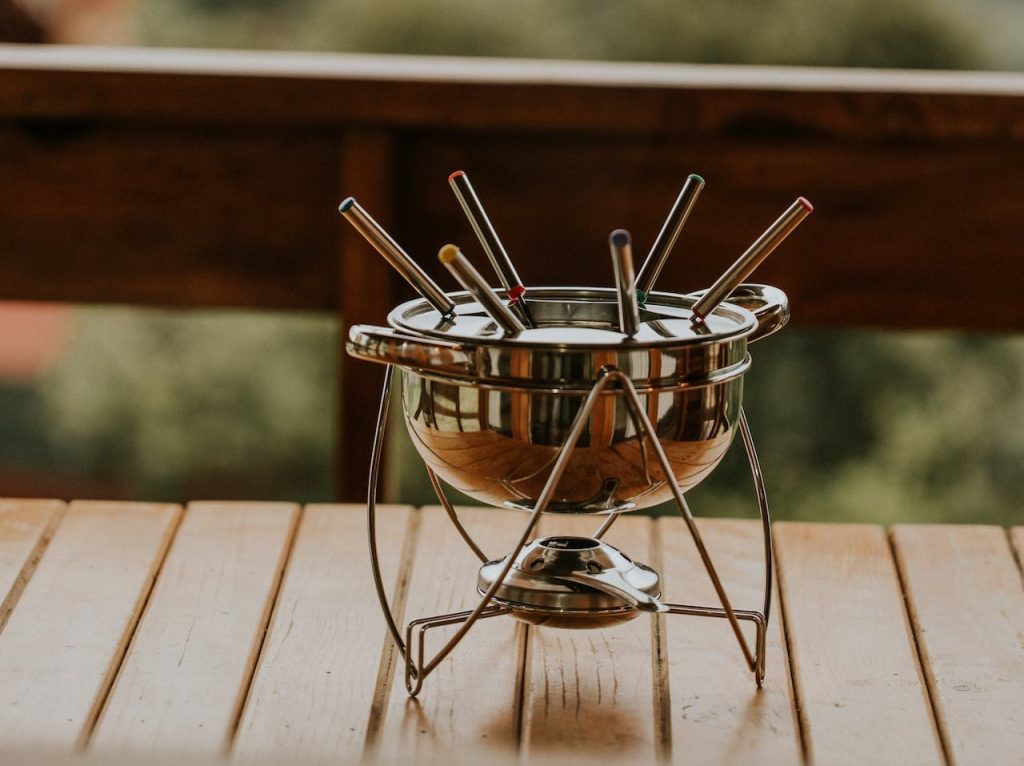
- Melting Tradition: The classic method of melting Raclette cheese involves an open fire or a special Raclette grill. The melted cheese is scraped onto diners’ plates and served with a variety of accompaniments, such as potatoes, charcuterie, and pickles.
- Modern Adaptations: Raclette has inspired creative adaptations, from Raclette burgers to Raclette mac and cheese. Chefs and food enthusiasts continually explore new ways to incorporate the irresistible melted cheese into dishes.
Storage Information
Proper storage is crucial to maintain the quality and flavour of Raclette cheese. It should be stored in a cool, dry place, away from direct sunlight and strong odours. An airtight container or vacuum-sealed packaging can help preserve the cheese’s freshness. Raclette cheese is best enjoyed within a reasonable time frame, as it may lose its creamy texture and distinct flavour if stored for too long.
Cooking Tips
- Melting: The traditional method of melting Raclette cheese involves a special grill or Raclette machine. Place a wheel or wedge of Raclette cheese under the heating element until it becomes soft and starts to bubble. Then, scrape the melted cheese onto your plate.
- Accompaniments: Raclette is typically served with a selection of accompaniments like boiled potatoes, gherkins, pickled onions, and dried meats. These pairings complement the rich, creamy cheese and provide a well-rounded dining experience.
Recipe Ideas:
- Traditional Raclette: Create a classic Raclette meal by melting the cheese and serving it with boiled new potatoes, cornichons, and cured meats.
- Raclette Pizza: Spread melted Raclette cheese on a pizza crust and add your favourite toppings for a cheesy, indulgent twist on a classic.
In conclusion, Raclette is more than just a cheese; it’s a beloved tradition that celebrates the art of melting and sharing. With a rich history, diverse varieties, and a growing global fan base, Raclette continues to be a cherished culinary experience. Whether you’re enjoying it the traditional Swiss way or exploring new and creative adaptations, Raclette remains a testament to the power of cheese to bring people together around a table filled with warmth and flavour.