Sugar: A Comprehensive Exploration of the Sweet Sensation
Sugar, the sweet delight that has been an integral part of human history and culture, holds a unique place in our culinary world. From its ancient origins to the multitude of varieties available today, sugar has evolved and diversified, offering a wide range of flavours, textures, and applications. In this article, we will embark on a journey through the history, global prevalence, interesting facts, storage guidelines, and various types of sugar.
History
The history of sugar can be traced back to ancient times. It was first discovered in the regions of New Guinea and Southeast Asia, where sugarcane was cultivated. By 500 AD, the knowledge of sugar production had spread to India, Persia, and the Arab world, and later to Europe during the Crusades. The sugar trade became a driving force in the exploration and colonization of the New World. Today, sugar is a global industry, with multiple sources and varieties to explore.
Population
Sugar has established its presence across the globe, enriching the culinary traditions of countless nations. Whether it’s as a sweetener in beverages, an essential ingredient in baking, or a complement to various dishes, sugar plays a vital role in diverse cuisines worldwide.
Interesting Facts:
- Sugar Crystals: The shape and size of sugar crystals can influence the texture of a recipe. Fine sugar, such as caster sugar, is ideal for baking, while larger crystals, like Demerara or Turbinado sugar, add a delightful crunch.
- Sugar Alternatives: As dietary preferences change, alternative sweeteners like honey, stevia, and agave nectar have gained popularity. These sweeteners offer different flavor profiles and can be used as substitutes for traditional sugars.
Storage Information
Proper storage is crucial to maintain the quality of sugar and prevent clumping or hardening. Store sugar in an airtight container in a cool, dry place, away from direct sunlight and moisture. When stored correctly, sugar has an indefinite shelf life.
Cooking Tips:
- Measuring: When measuring sugar for recipes, use dry measuring cups and level off the excess sugar with a flat edge for accurate results.
- Baking: The type of sugar used in baking can affect the texture and structure of the final product. For instance, fine sugar, like caster sugar, is excellent for delicate baked goods, while brown sugar adds moisture and flavour to recipes.
Types of Sugar:
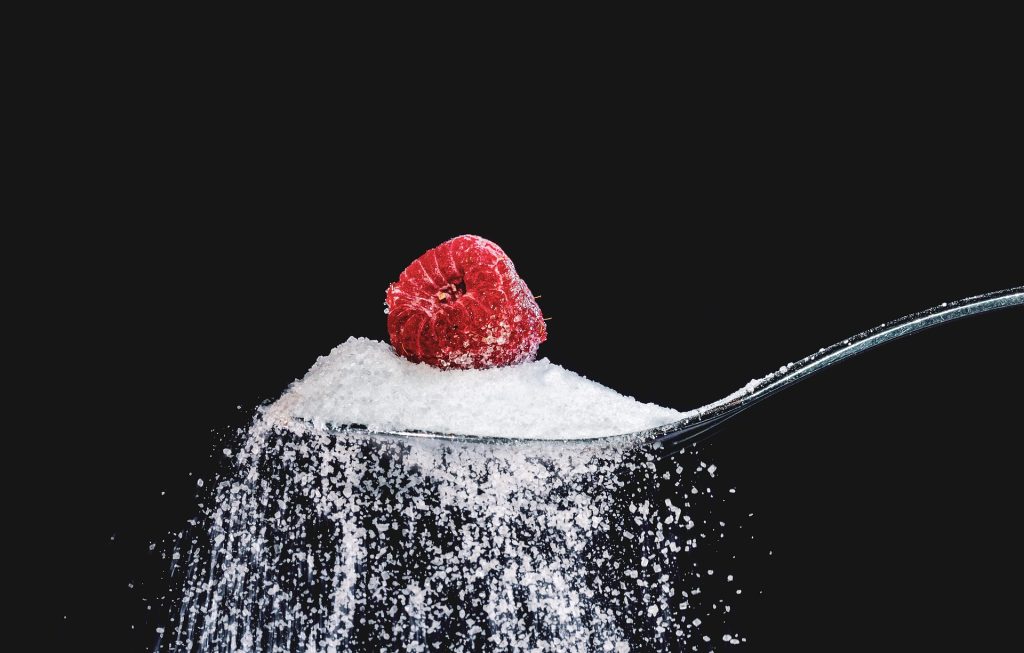
1. Granulated Sugar: The most common type, ideal for baking, cooking, and sweetening beverages.
READ MORE: From Cane to Crystals: Unveiling the History of Granulated Sugar
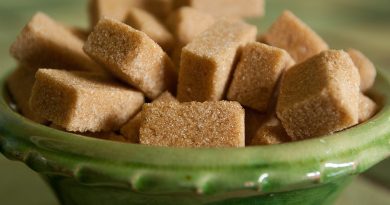
2. Brown Sugar: Available in light and dark varieties, it contains molasses and is perfect for cookies and caramel sauces.
READ MORE: Brown Sugar Bliss: A Culinary Exploration from Past to Plate
3. Powdered Sugar (Confectioners’ Sugar/Icing Sugar): Finely ground for icing, frosting, and dusting desserts.
READ MORE: Powdered Sugar: The Sweet Alchemy of Culinary Perfection
4. Caster Sugar (Superfine Sugar): Has fine granules for recipes like meringues and cakes.
READ MORE: Caster Sugar (Superfine Sugar): The Subtle Sweetness that Elevates Culinary Craft
5. Demerara Sugar: Large, pale golden crystals with a toffee-like flavour, often used as a topping for desserts.
READ MORE: Demerara Sugar: A Sweet Journey Through Time and Flavour
6. Turbinado Sugar (Raw Sugar): Less refined, with a slight caramel flavour, used in beverages and baking.
READ MORE: Turbinado Sugar (Raw Sugar): Unveiling the Sweetness of Nature
7. Muscovado Sugar: Dark and moist with a strong molasses flavour, commonly used in rich, dark desserts.
READ MORE: Muscovado Sugar: The Rich Tapestry of Unrefined Sweetness
8. Cane Sugar: A broad category including granulated, brown, and raw sugars derived from sugarcane.
READ MORE: Golden Crystals: Navigating the Diverse Landscape of Cane Sugar
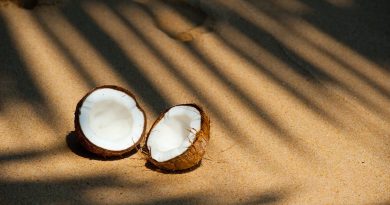
9. Coconut Sugar: Made from coconut palm sap, it has a caramel-like taste and is used as an alternative sweetener.
READ MORE: Exploring the Sweet Elegance of Coconut Sugar: A Comprehensive Guide
10. Maple Sugar: Made by dehydrating maple syrup, with a rich, maple flavour for various recipes.
READ MORE: Exploring the Rich Heritage and Culinary Versatility of Maple Sugar
11. Date Sugar: Made from dried dates, used as a natural sweetener in baking and cooking.
12. Palm Sugar: Made from palm tree sap, commonly used in Southeast Asian cuisine.
13. Honey: A natural sweetener produced by bees, enjoyed in various recipes.
14. Agave Nectar: Extracted from the agave plant, often used as a sweetener in beverages and baking.
15. Stevia: A natural sweetener derived from the Stevia plant, used as a sugar substitute in various products.
16. Artificial Sweeteners: Sugar substitutes such as aspartame, saccharin, and sucralose, used to reduce calorie content in foods and beverages.
In conclusion, sugar, with its rich history, widespread use, and numerous varieties, remains a cornerstone of culinary exploration. Whether as a traditional sweetener or as an alternative, the diverse world of sugar allows for endless creativity in the kitchen, enhancing the flavour and texture of dishes across the globe. Understanding the different types of sugar and their unique properties empowers chefs and home cooks to craft recipes that delight the taste buds and tell the story of this extraordinary ingredient.