
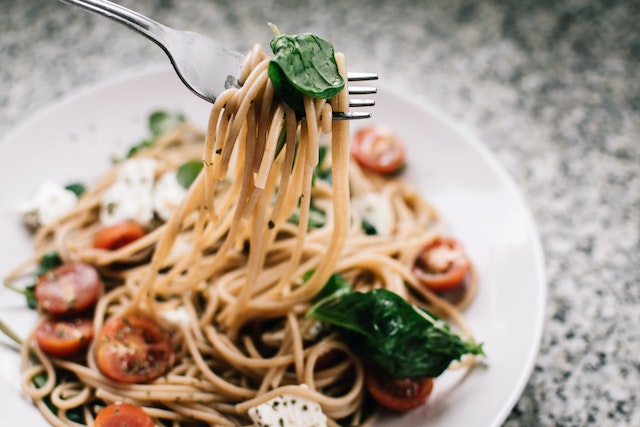
Spaghetti: Unravelling the History, Origin, Features, and Versatile Uses of the Beloved Pasta
Spaghetti, with its long, slender strands and ability to soak up flavours, has become a staple in kitchens and restaurants worldwide. This iconic pasta, known for its versatility and comforting appeal, has a rich history and origin that dates back centuries. In this article, we will explore the fascinating story behind spaghetti, its distinct features, and the myriad of ways it is enjoyed in various culinary traditions.
Historical Roots and Origin
The history of spaghetti can be traced back to ancient times, with evidence of pasta-making dating as far back as the 1st century AD in ancient China. However, the origins of spaghetti as we know it today lie in Italy. It is believed that Arab merchants introduced dried pasta to Sicily during the Middle Ages, and from there, it spread throughout Italy, eventually becoming a beloved culinary tradition.
Distinctive Features:
1. Long, Thin Strands: Spaghetti is characterized by its long, cylindrical shape, typically measuring around 10-12 inches in length. This elongated form allows for a satisfying twirl around the fork and ensures a delightful mouthful with each bite.
2. Versatility in Texture: Spaghetti comes in different thicknesses, ranging from thin to thick. Thinner strands cook more quickly and have a delicate texture, while thicker variations offer a heartier bite. The choice of thickness can vary based on personal preference and the desired outcome of the dish.
3. Excellent Sauce Absorption: One of the remarkable features of spaghetti is its ability to absorb and cling to various sauces. The textured surface of the pasta helps hold onto creamy, tomato-based, or oil-based sauces, ensuring that each strand is coated with flavour.
Uses in Culinary Delights:
1. Classic Italian Pasta Dishes: Spaghetti is a fundamental component of traditional Italian cuisine. It forms the base for beloved dishes like spaghetti aglio e olio (garlic and oil), spaghetti carbonara (with eggs, cheese, and pancetta), and spaghetti alle vongole (with clams). These dishes highlight the simplicity and versatility of spaghetti, allowing the pasta to shine alongside complementary ingredients.
2. International Pasta Creations: Spaghetti’s appeal extends beyond Italian borders, finding its way into global culinary creations. In American cuisine, spaghetti with meatballs has become a beloved comfort food. Asian-inspired dishes, like spaghetti stir-fries, showcase the adaptability of this pasta in fusion cooking. Spaghetti even finds its place in salads, casseroles, and baked dishes, offering endless possibilities for creative experimentation.
3. Vegetarian and Vegan Alternatives: Spaghetti provides a versatile canvas for vegetarian and vegan dishes. Paired with a variety of vegetables, herbs, and plant-based proteins, it forms the basis for satisfying meatless meals. From spaghetti primavera to vegan spaghetti Bolognese, the options are abundant for those seeking plant-based alternatives.
Spaghetti, with its deep-rooted history, distinct features, and versatile uses, has earned its place as a beloved pasta variety worldwide. Its ability to absorb sauces, its comforting texture, and its ability to adapt to different culinary traditions make it a go-to choice for countless dishes. Whether enjoyed in classic Italian recipes or incorporated into innovative fusion creations, spaghetti continues to captivate taste buds and bring joy to dining tables. So, embrace the allure of spaghetti, unleash your creativity, and savour the delightful experience of enjoying this timeless pasta.

Pingback: A Guide to Pasta Types: Origins, Uses, and Delicious Dishes – FoodLullabies