
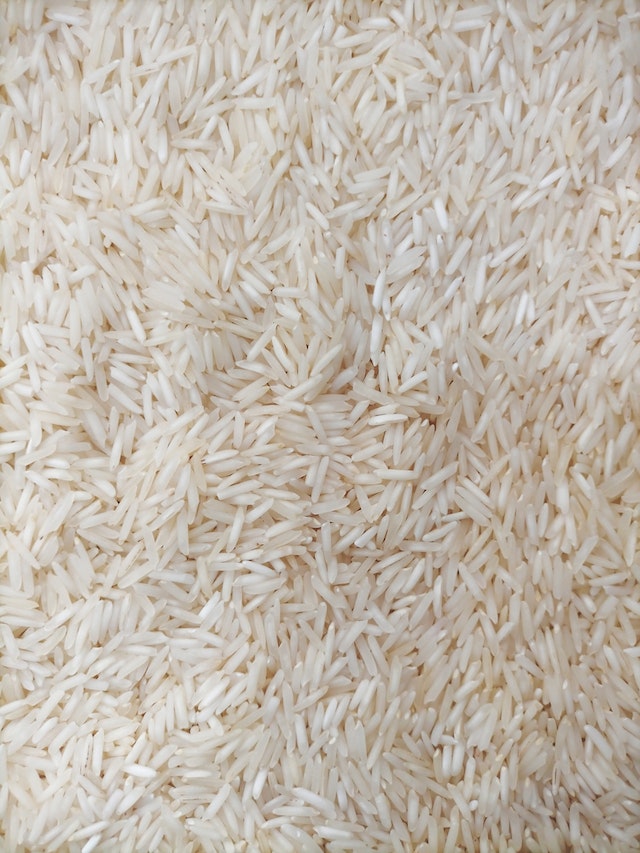
Basmati Rice: A Fragrant Grain with a Rich Heritage
Basmati rice, with its distinctive aroma and delicate flavour, has captured the hearts of rice enthusiasts around the world. This long-grain rice variety is not only revered for its exquisite taste but also carries a rich history and cultural significance. In this article, we will delve into the origins, features, and versatile uses of Basmati rice, uncovering the secrets behind its enduring popularity and its place in global cuisine.
Historical Roots and Origin
The story of Basmati rice can be traced back to the foothills of the Himalayas, where it is believed to have originated in the Indian subcontinent. The word “Basmati” is derived from the Sanskrit word “vasmati,” meaning fragrant. For centuries, this aromatic rice has been cultivated in the fertile plains of India and Pakistan, where the unique combination of soil, climate, and water contributes to its exceptional qualities.
Distinctive Features:
1. Long, Slender Grains: Basmati rice is characterized by its long, slender grains that elongate further upon cooking. These grains have a fine texture and a delicate appearance, making them visually appealing in a variety of dishes.
2. Aromatic Fragrance: The hallmark of Basmati rice is its captivating aroma, often described as nutty and floral. When cooked, the grains release a subtle fragrance that fills the kitchen and enhances the overall dining experience.
3. Delicate Flavour: Basmati rice boasts a nuanced flavour profile, combining a subtle nuttiness with a hint of sweetness. This delicate taste allows it to complement a wide range of ingredients and spices, making it a versatile choice for various cuisines.
Uses in Culinary Delights:
1. Traditional Indian Cuisine: Basmati rice holds a special place in Indian cuisine, serving as the foundation for iconic dishes such as biryanis, pulaos, and pilafs. Its ability to absorb flavours and spices while maintaining its distinct aroma and texture makes it an ideal choice for these flavourful rice preparations.
2. Middle Eastern and Persian Delicacies: Basmati rice is also highly valued in Middle Eastern and Persian cooking. It forms an essential component of dishes like Iranian chelo kebab and Saudi Arabian kabsa, where the fragrant rice perfectly complements the savoury meats and aromatic seasonings.
3. International Fusion: The versatility of Basmati rice extends beyond traditional cuisines. Chefs and home cooks worldwide have embraced its qualities, incorporating it into fusion recipes, rice bowls, and even desserts. From Mediterranean-inspired rice salads to Asian-inspired stir-fries, Basmati rice adapts beautifully to a wide range of culinary creations.
Health Benefits
Apart from its delightful taste and aroma, Basmati rice also offers several health benefits. It is a low-fat and low-sodium grain, making it a suitable choice for those seeking a healthier diet. Basmati rice is also gluten-free and has a low glycaemic index, making it a favourable option for individuals with dietary restrictions or those aiming to manage blood sugar levels.
Basmati rice, with its rich heritage, unique aroma, and delicate flavour, stands as a testament to the culinary treasures found in the Indian subcontinent. From its origins in the Himalayan foothills to its widespread popularity worldwide, Basmati rice continues to captivate taste buds and enrich a multitude of dishes. Whether it’s a fragrant biryani or a simple rice bowl, Basmati rice elevates every meal with its aromatic presence and exquisite taste. So, indulge in the splendour of Basmati rice, and let its enchanting qualities transport you to a world of culinary delight.
Pingback: Rice: A Timeless Grain That Nourishes and Unites – FoodLullabies