Anpan: A Sweet and Savory Japanese Delight with a Rich Cultural Heritage
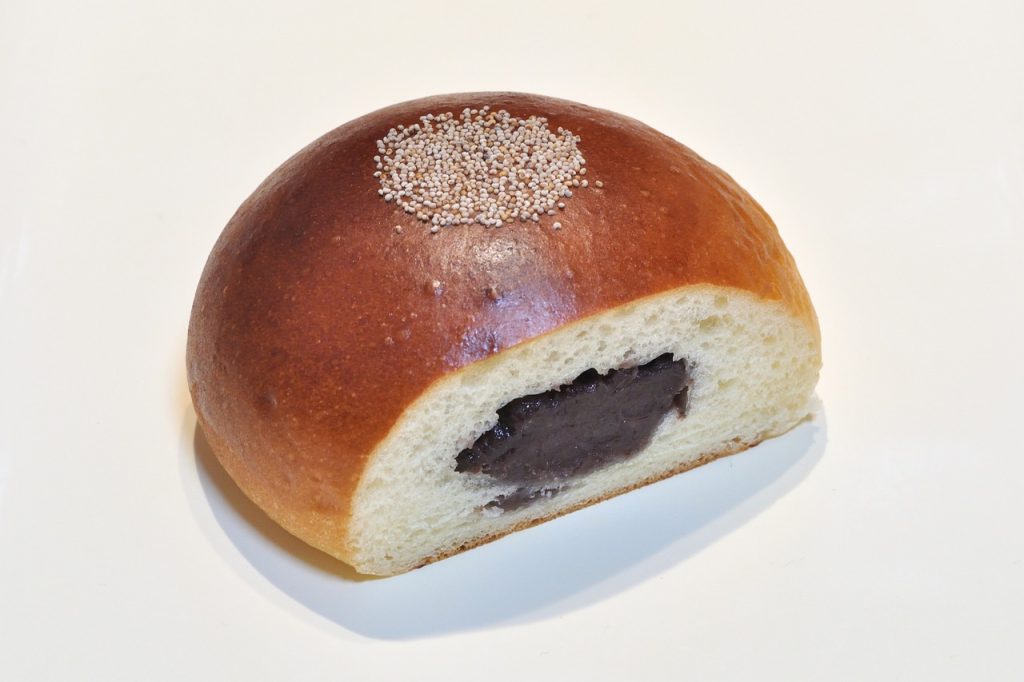
Anpan bread, a popular pastry in Japan, is a delightful combination of soft bread filled with a sweet red bean paste known as “anko.” In this professional article, we will explore the fascinating history of Anpan bread, discuss its popularity and varieties, uncover interesting facts, provide storage information, offer cooking tips, and highlight other important aspects of this beloved Japanese treat.
History
Anpan bread has a rich history that dates back to the late 19th century in Japan. It was first created by Yasubei Kimura, a samurai turned baker, who sought to introduce Western-style bread to the Japanese population. Inspired by his desire to create a bread that suited Japanese tastes, Kimura decided to incorporate the traditional sweet red bean paste, anko, into the bread’s filling. This led to the birth of Anpan bread, which quickly gained popularity and became a staple in Japanese bakeries.
Population
Anpan bread is widely enjoyed by people of all ages in Japan. It is a beloved treat found in bakeries, convenience stores, and even homemade versions prepared by families. The combination of soft, fluffy bread and the sweet, creamy anko filling has made Anpan a favourite among locals and visitors alike.
Varieties
While the classic Anpan bread features a sweet red bean paste filling, there are also variations that cater to different tastes and preferences. Some popular variations include matcha Anpan, which incorporates green tea powder into the dough or filling, and cream Anpan, which replaces the anko filling with a creamy custard or whipped cream. These variations add delightful twists to the traditional Anpan, offering a range of flavours to enjoy.
Interesting Facts:
– Anpan bread is often associated with the famous Japanese character Anpanman. Anpanman is a superhero whose head is made of Anpan bread, and he uses his head to share pieces of bread with those in need. This character has played a significant role in popularizing Anpan bread among children in Japan.
– Anpan bread is not only enjoyed as a standalone treat but is also a common addition to Japanese-style breakfasts or afternoon tea. It pairs well with a cup of green tea or coffee and is often enjoyed as a part of a balanced meal.
Storage Information
Proper storage is crucial to maintain the freshness and quality of Anpan bread. Here are some storage tips:
– Anpan bread is best consumed on the day of purchase or preparation when it is at its freshest. However, if you have leftovers, store them in an airtight container or wrap them tightly in plastic wrap to prevent them from drying out.
– If you have a large batch of Anpan bread, consider freezing the extras. Place the bread in a freezer-safe bag or container and store them in the freezer. When ready to enjoy, thaw the bread at room temperature or warm it up in an oven to restore its softness.
Cooking Tips:
While Anpan bread is typically purchased from bakeries or stores, you can also try making it at home. Here are some cooking tips to help you create delicious Anpan bread:
– Start by preparing the anko filling. You can make your own anko by simmering sweetened red beans until they become a smooth paste. Alternatively, you can find pre-made anko paste in Asian grocery stores or online.
– When making the bread dough, ensure that it rises properly by allowing it to rest in a warm, draft-free area. This will help to achieve a soft and fluffy texture.
– When filling the dough with anko, make sure to seal the edges tightly to prevent the filling from leaking out during baking. Proper sealing will also ensure that the bread maintains its shape and stays moist.
Other Important Information
Anpan bread is not only a delicious treat but also reflects the cultural heritage of Japan. It embodies the fusion of Western-style baking techniques with traditional Japanese flavours, showcasing the country’s ability to adapt and create unique culinary delights.
In conclusion, Anpan bread’s sweet and savoury combination, along with its cultural significance, has made it a beloved treat in Japan and beyond. Its soft, fluffy texture and delightful anko filling continue to captivate taste buds and bring joy to those who enjoy it. By understanding its history, varieties, storage requirements, and cooking techniques, you can fully appreciate the rich heritage and deliciousness of Anpan bread. Whether purchased from a bakery or prepared at home, Anpan bread is sure to bring a touch of sweetness to any occasion.