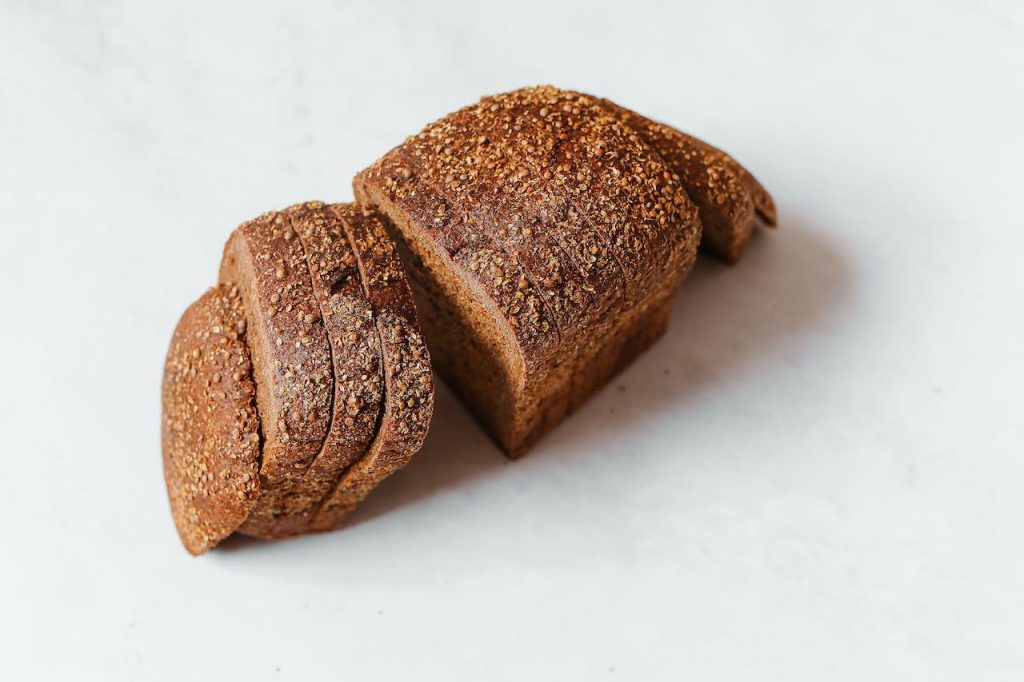
Brown Bread: A Nutritious Staple with a Rich History and Diverse Varieties
Brown bread, a wholesome and versatile staple, has carved its place in the culinary world as a nutritious alternative to traditional white bread. This article delves into the rich history, global popularity, diverse varieties, interesting facts, storage recommendations, and cooking tips associated with brown bread. From its humble beginnings to its modern iterations, brown bread continues to be a dietary mainstay that offers a unique blend of flavour, texture, and health benefits.
History
The roots of brown bread trace back to ancient civilizations, where whole grains were ground and combined with water to create a simple, nourishing sustenance. In medieval Europe, brown bread became synonymous with the working class, as it was often crafted from coarser grains that were more readily available. Over time, the nutritional advantages of brown bread, derived from the inclusion of bran and germ, became increasingly recognized, leading to its adoption by a broader demographic.
Population and Global Appeal
Today, brown bread enjoys widespread popularity across the globe, appealing to health-conscious consumers and those seeking a heartier, more flavourful option. It has become a dietary staple in many cultures, with variations in preparation methods and ingredients reflecting regional preferences. From the whole-grain goodness of German Vollkornbrot to the Irish brown soda bread, different populations have embraced brown bread as a fundamental part of their culinary heritage.
Varieties
Brown bread comes in a myriad of varieties, each offering a unique taste and texture. Whole wheat, multigrain, rye, and oat bran are common variations that cater to diverse preferences. Some versions incorporate seeds, nuts, or dried fruits, enhancing both flavour and nutritional content. The evolution of brown bread has given rise to gluten-free options, expanding its accessibility to individuals with specific dietary needs.
Interesting Facts
Beyond its nutritional profile, brown bread boasts intriguing facts that highlight its significance. The fermentation process in sourdough brown bread, for example, not only contributes to its distinctive taste but also aids in digestibility. Additionally, the bran and germ components in brown bread contain essential nutrients like fibre, vitamins, and minerals, making it a valuable dietary choice.
Storage Information
To preserve the freshness and quality of brown bread, proper storage is crucial. It is advisable to keep brown bread in a cool, dry place, ideally in a bread box or a sealed container, to prevent moisture absorption. Refrigeration is an option, particularly for longer storage periods, but it may alter the texture slightly. For extended shelf life, consider freezing portions of brown bread, ensuring it is well-wrapped to prevent freezer burn.
Cooking Tips
While brown bread is commonly enjoyed fresh, there are various creative ways to incorporate it into meals. Croutons, breadcrumbs, and bread pudding are just a few examples of culinary delights that can be crafted from brown bread. When toasting, using a lower heat setting prevents excessive browning, preserving the natural flavours. Experimenting with spreads, such as avocado or nut butter, can elevate the taste and nutritional profile of a simple brown bread slice.
In conclusion, brown bread’s journey from ancient sustenance to a global culinary sensation reflects its enduring appeal and nutritional significance. As diverse populations continue to celebrate its variations and incorporate it into modern recipes, brown bread remains a symbol of wholesome nourishment that transcends cultural boundaries. Whether enjoyed as a breakfast staple, sandwich base, or accompaniment to hearty stews, brown bread continues to enrich our culinary experiences and contribute to a balanced and satisfying diet.