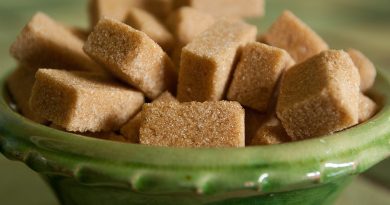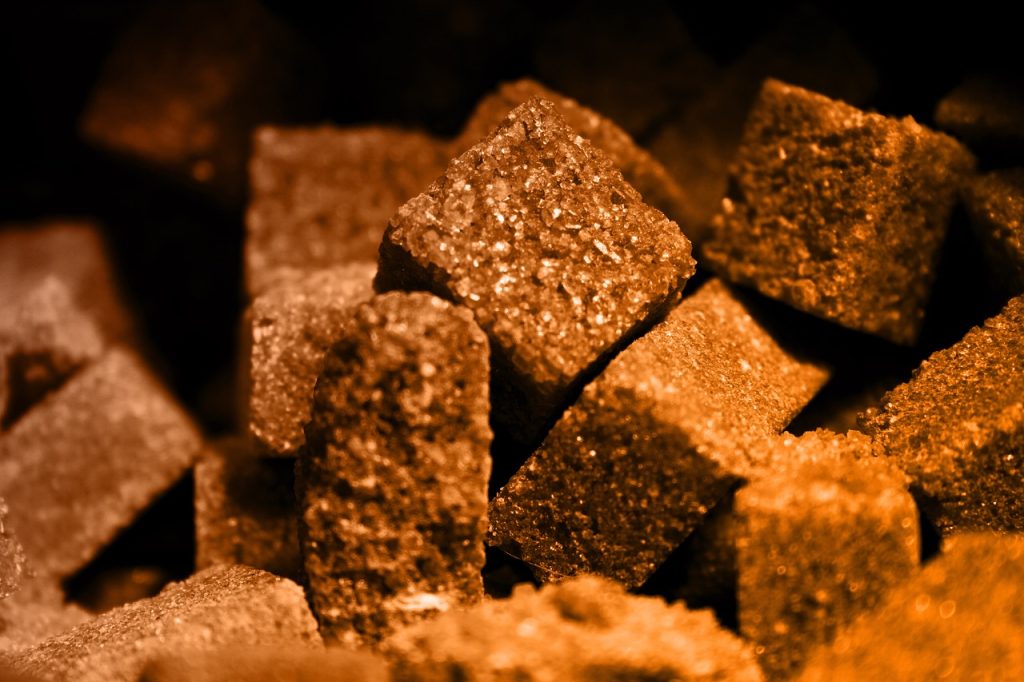
Turbinado Sugar (Raw Sugar): Unveiling the Sweetness of Nature
Turbinado sugar, often recognized as raw sugar, stands as a testament to the allure of unrefined sweetness in the world of sugars. Derived from the initial pressing of sugar cane, this golden-hued sweetener boasts a rich history, diverse varieties, intriguing facts, and a unique place in culinary pursuits. In this article, we explore the journey of turbinado sugar, from its origins to its global popularity, while delving into its various forms, storage recommendations, cooking tips, and the distinctive characteristics that set it apart in the realm of sweeteners.
History
The roots of turbinado sugar can be traced back to ancient civilizations where sugarcane cultivation flourished. However, its more recent history involves a revival of interest in traditional and less processed sweeteners. The term “turbinado” itself refers to the turbine-like centrifuge process used to extract the sugar crystals from the cane juice. This minimal processing retains more of the natural molasses content, imparting a distinctive flavour and colour to the sugar.
Population and Global Appeal
Turbinado sugar has gained popularity across diverse populations, especially among those seeking a less refined and more natural alternative to white sugar. With a growing emphasis on health-conscious choices, this raw sugar has found a place in the kitchens of individuals who appreciate its unadulterated sweetness. Its versatility makes it a preferred choice for various culinary applications, ranging from baking to sweetening beverages.
Varieties
While turbinado sugar is primarily known for its granulated form, it also exists in other variations. Demerara sugar, a type of turbinado sugar, features larger crystals and a light, amber colour. This versatility allows for its integration into a wide array of recipes, adding a distinct flavour profile and texture. The varying degrees of coarseness and molasses content contribute to the unique characteristics of different turbinado sugar varieties.
Interesting Facts
Turbinado sugar offers more than just sweetness; it introduces interesting facts that add to its allure. The molasses retained in raw sugar not only imparts a caramel-like flavour but also brings along trace minerals, such as magnesium, potassium, and calcium. These elements, while present in modest amounts, contribute to the sugar’s appeal as a more nutritionally nuanced option compared to highly refined sugars.
Storage Information
To maintain the quality of turbinado sugar, proper storage is essential. This raw sugar has a tendency to harden when exposed to air or moisture, so storing it in an airtight container in a cool, dry place is advisable. If clumping occurs, breaking up the sugar with a fork or pulsing it in a food processor can restore its granular texture. By adhering to proper storage practices, the natural characteristics of turbinado sugar can be preserved.
Cooking Tips
Turbinado sugar’s distinctive flavour makes it a standout ingredient in various culinary endeavours. Its subtle molasses undertones enhance the taste of baked goods, beverages, and desserts. When substituting turbinado sugar for white sugar in recipes, it’s essential to consider the molasses content and potential moisture differences. Experimenting with the balance of sweetness in different dishes allows chefs to unlock the full potential of this raw sugar in their culinary creations.
In conclusion, turbinado sugar emerges as more than just a sweetener; it embodies a connection to the natural sweetness found in sugar cane. With a rich history, global appeal, diverse varieties, and a host of culinary applications, turbinado sugar invites individuals to explore the nuanced world of unrefined sweetness. As a choice that aligns with both flavour preferences and health-conscious considerations, turbinado sugar continues to leave its mark on the palates of those who appreciate the sweet simplicity of nature.