Cornbread: A Culinary Classic with Southern Roots and Global Appeal
In the realm of comfort foods, few dishes evoke the warmth and nostalgia that cornbread does. Originating from the kitchens of the American South, this humble yet versatile bread has transcended regional boundaries to become a beloved staple on tables worldwide. From its historical roots to the diverse variations gracing modern kitchens, cornbread holds a special place in the hearts of food enthusiasts. Join us on a journey through the history, varieties, storage nuances, and culinary versatility of cornbread, a timeless classic that continues to captivate taste buds.
History
Cornbread’s story unfolds against the backdrop of Native American and Southern culinary traditions. With corn as a primary ingredient, indigenous communities created variations of corn-based bread, laying the foundation for what would later become a Southern culinary icon. The introduction of European ingredients, such as wheat flour and leavening agents, further shaped the evolution of cornbread.
Population
While deeply rooted in Southern cuisine, cornbread has become a cherished component of diverse culinary landscapes. Its popularity extends far beyond the American South, finding a place on tables in various forms across the globe.
Varieties
The beauty of cornbread lies in its versatility, giving rise to an array of varieties. From the classic Southern cornbread, made with stone-ground cornmeal and buttermilk, to sweet variations enriched with honey or molasses, the possibilities are as diverse as the regions that have embraced this comforting bread.
Interesting Facts
Cornbread has not only been a source of sustenance but also a symbol of resilience. During the Civil War, when traditional baking ingredients were scarce in the South, cornbread remained a staple due to the accessibility of cornmeal. Today, it serves as a cultural bridge, connecting generations through shared meals.
Storage Information
Preserving the freshness of cornbread involves mindful storage. To prevent it from drying out, wrap cornbread in airtight packaging or store it in a sealed container. Refrigeration is suitable for longer-term storage, but for the best texture, bring it back to room temperature before serving.
Cooking Tips
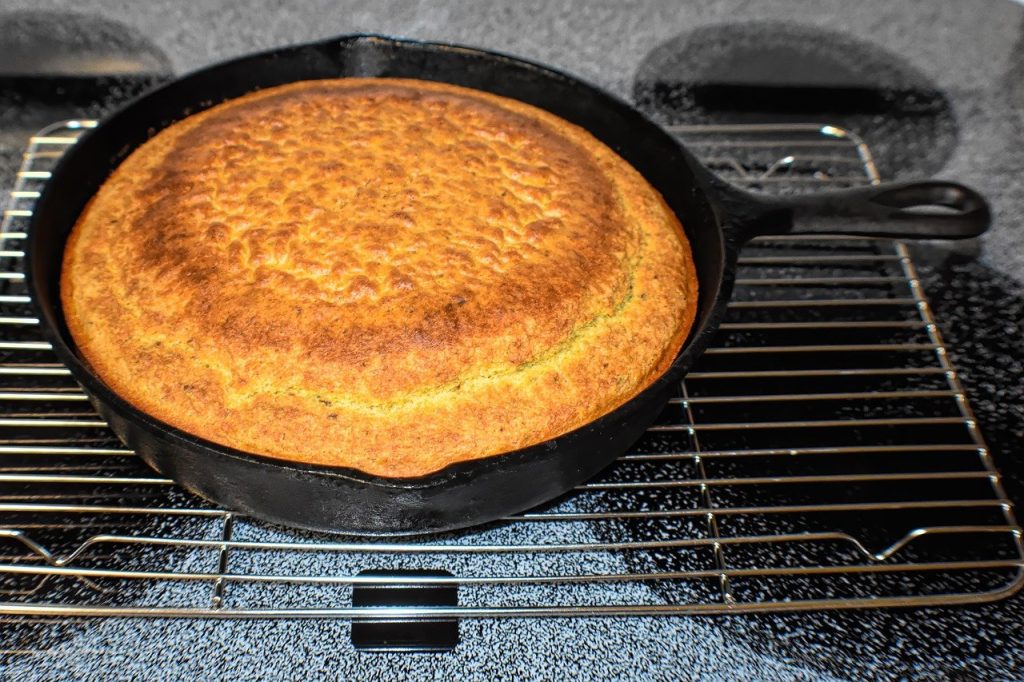
Achieving the perfect cornbread requires attention to a few key details. The choice of cornmeal, the ratio of wet to dry ingredients, and the baking vessel all influence the final result. Experimenting with variations, from skillet-baked cornbread to muffin-sized servings, allows you to tailor this classic to your taste preferences.
Culinary Versatility
Cornbread’s adaptability extends beyond being a side dish at a Southern barbecue. It complements a range of cuisines, from chili-topped cornbread in the American West to cornbread stuffing at Thanksgiving dinners. Its ability to seamlessly transition from savoury to sweet applications makes it a canvas for culinary creativity.
As we explore the rich tapestry of cornbread, we discover a culinary gem that transcends geographical boundaries and cultural divides. Whether enjoyed as a comforting slice alongside a bowl of soup or transformed into innovative variations, cornbread remains a testament to the enduring power of simple, wholesome ingredients. In each crumb, we find not just a bread but a slice of history and a taste of the heartwarming traditions that continue to make cornbread a cherished part of our culinary heritage.