Challah: Braided Elegance in Every Slice
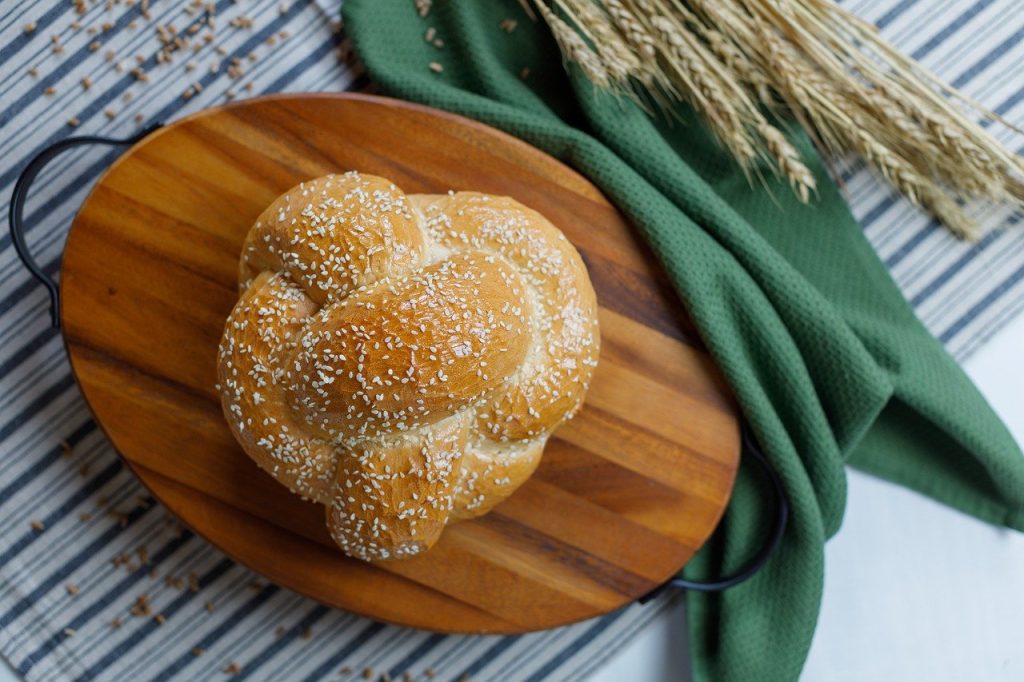
In the rich tapestry of Jewish culinary traditions, Challah stands as a symbol of both heritage and celebration. This braided bread, with its golden exterior and soft, pillowy interior, has graced tables for centuries, becoming a centrepiece of festive gatherings and family meals alike. Join us on a journey through the history, varieties, and cultural significance of Challah, exploring the artistry behind its braids, storage nuances, cooking tips, and more.
Introduction
Challah, pronounced “khah-lah,” is a time-honoured bread deeply rooted in Jewish culture and traditions. Originating in the Jewish communities of Central and Eastern Europe, Challah has transcended its cultural origins to become a beloved staple in many households around the world. Its distinctive braided appearance and rich, slightly sweet flavour make Challah not just a bread but a culinary work of art that carries with it the warmth of tradition.
History
The history of Challah is as rich and diverse as the communities that cherish it. The word “Challah” itself refers to a portion of the dough that is set aside as a tithe, a practice with deep religious significance. Traditionally, Challah was woven into six-strand braids, each strand representing a day of the week with the seventh strand symbolizing the Sabbath. Today, Challah comes in various shapes and sizes, yet its cultural and religious significance remains steadfast.
Population and Varieties
Challah has found a home on tables across the Jewish diaspora, each community infusing its own unique variations. Traditional Challah is made with simple ingredients—flour, water, yeast, eggs, sugar, and salt—resulting in a bread that is both soft and slightly sweet. Varieties abound, with some Challahs incorporating raisins or chocolate chips, while others embrace whole wheat flour for a heartier texture.
Interesting Facts
Challah is more than a bread; it is a symbol of unity and tradition. The act of braiding Challah carries deep significance, symbolizing the interconnectedness of life and the observance of Jewish laws. In many households, Challah is not sliced but torn by hand, representing a connection to the past and the continuity of family traditions.
Storage Information
Preserving the freshness of Challah requires mindful storage. To maintain its softness and prevent drying, store Challah in a plastic bag at room temperature for the first day or two. For longer storage, wrap it tightly in plastic and freeze. When ready to enjoy, simply thaw and warm in the oven to recapture its freshly baked texture.
Cooking Tips
Creating the perfect Challah involves a few key techniques. Achieving a golden-brown crust requires a careful egg wash before baking. For those seeking a glossy finish, brushing the Challah with honey or sugar syrup after baking adds a delightful sheen. Experimenting with various braiding techniques allows for artistic expression, turning each loaf into a unique masterpiece.
Challah, with its timeless beauty and cultural resonance, transcends the boundaries of a simple loaf of bread. It embodies the spirit of togetherness, tradition, and the joyous moments shared around a table. As we delve into the world of Challah, we not only appreciate its deliciousness but also honour the generations of bakers who have passed down the artistry of this braided masterpiece.