
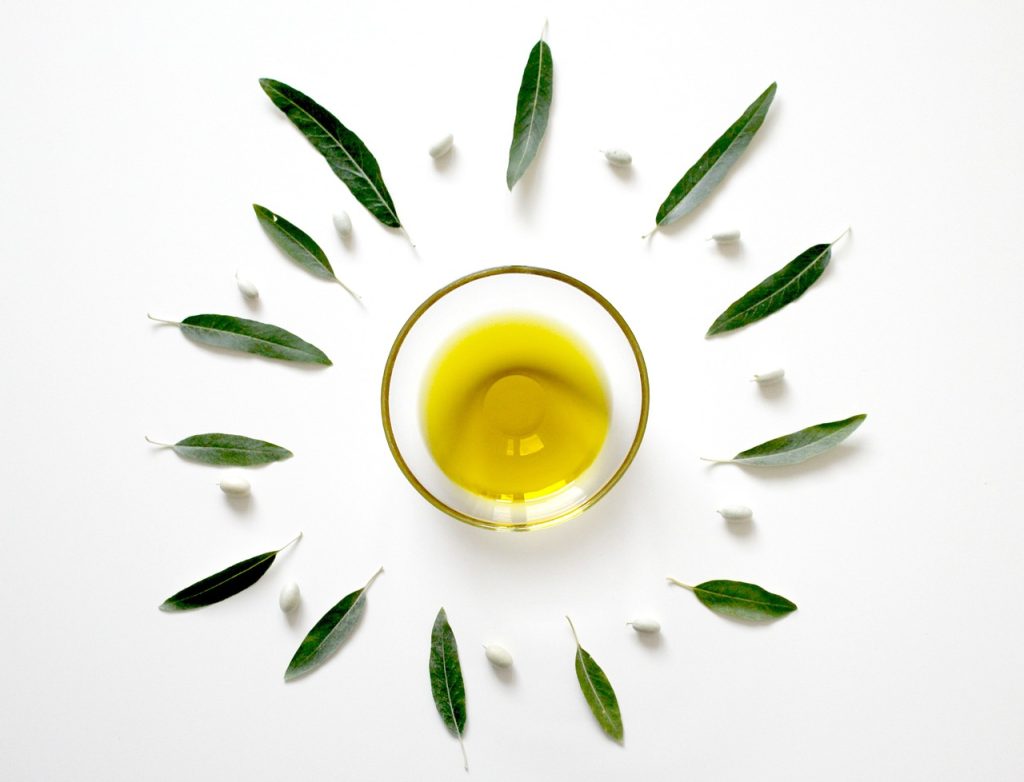
Olive Oil: A Liquid Gold of Ancient Origins
Olive oil, often referred to as “liquid gold,” has been treasured for centuries for its rich flavour, versatility, and numerous health benefits. With its roots deeply embedded in Mediterranean culture, this iconic oil has made its way into kitchens around the world. In this article, we will delve into the captivating history, origin, features, types, culinary uses, and beyond of olive oil.
Historical Roots and Origin
The origins of olive oil can be traced back to ancient civilizations in the Mediterranean region, including Greece and Egypt. The cultivation of olive trees and the extraction of oil from their fruits date back thousands of years, making it one of the oldest known cultivated crops. Olive oil played a significant role in Mediterranean cultures, not only as a food source but also in religious rituals, medicinal practices, and as a symbol of wealth and prosperity.
Distinctive Features:
1. Flavour Profile: Olive oil offers a wide range of flavours, from mild and buttery to robust and peppery, depending on factors such as the variety of olives used, the region of production, and the harvesting techniques. This diversity of flavours allows for versatile culinary applications, enhancing the taste of dishes in various ways.
2. Health Benefits: Olive oil is celebrated for its numerous health benefits. It is rich in monounsaturated fats, which are considered heart-healthy and can help reduce the risk of cardiovascular diseases. Additionally, it contains antioxidants, anti-inflammatory properties, and vitamins, making it a valuable component of a balanced diet.
Types of Olive Oil:
1. Extra Virgin Olive Oil: Considered the highest quality and most flavourful olive oil, extra virgin olive oil is produced solely by mechanical means, without the use of heat or chemicals. It has a low acidity level and retains the natural flavours and aromas of the olives.
2. Virgin Olive Oil: Virgin olive oil is also produced through mechanical means, but it has a slightly higher acidity level compared to extra virgin olive oil. It is still of high quality and suitable for both cooking and drizzling over dishes.
3. Pure Olive Oil: Pure olive oil is a blend of virgin olive oil and refined olive oil. Refined olive oil is obtained through processes like filtering and refining, which remove impurities and improve the oil’s stability. Pure olive oil has a milder flavour and is suitable for cooking and frying.
4. Light Olive Oil: “Light” refers to the oil’s mild flavour rather than reduced calorie content. Light olive oil is a refined olive oil that undergoes additional processing to remove impurities and flavours. It is ideal for cooking methods where a neutral taste is desired.
Culinary Uses and Beyond:
1. Cooking and Frying: Olive oil is widely used in cooking and frying due to its high smoke point and ability to withstand high temperatures. It adds depth of flavour to sautés, stir-fries, and roasted vegetables while imparting its distinctive taste.
2. Salad Dressings and Marinades: Olive oil serves as a key ingredient in salad dressings, marinades, and vinaigrettes. Its rich flavour, combined with its ability to emulsify with other ingredients, enhances the taste and texture of these preparations.
3. Dipping and Drizzling: Extra virgin olive oil, with its robust flavours, is often used as a dipping oil for bread or as a finishing touch, drizzled over dishes to add a burst of flavour and aroma. It is particularly delightful when paired with balsamic vinegar or used to enhance the taste of cheeses and fruits.
4. Beauty and Wellness: Olive oil’s moisturizing properties make it a popular ingredient in skincare and haircare products. It is often used as a natural moisturizer, makeup remover, or as a conditioning treatment for hair, promoting hydration and nourishment.
Olive oil, with its rich history, diverse flavours, and versatile uses, has established itself as a true culinary treasure. From its ancient Mediterranean origins to its widespread presence in kitchens worldwide, this liquid gold continues to captivate both chefs and home cooks alike. Whether used for cooking, dressing, or even in beauty routines, olive oil brings a touch of Mediterranean charm and a wealth of health benefits to every aspect of our lives. So, embrace the flavours and benefits of olive oil, and let this ancient elixir enrich your culinary experiences and well-being.

Pingback: Cooking oils: everything you need to know – FoodLullabies