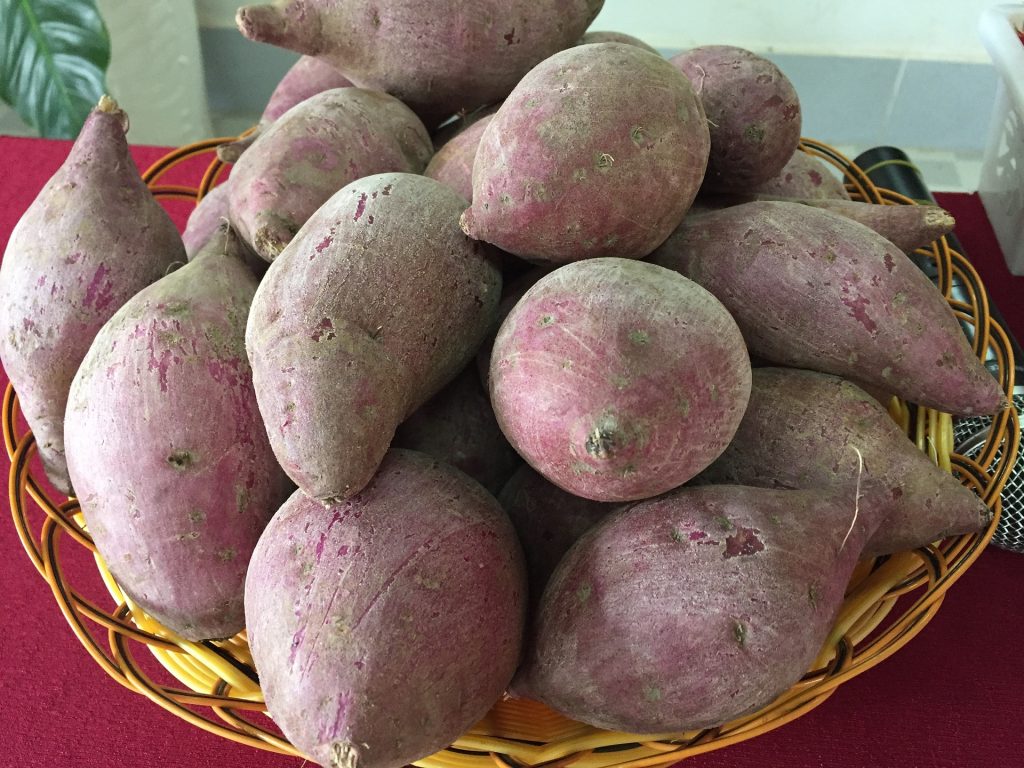
Satsumaimo: Exploring the Delights of Japanese Sweet Potatoes
Japanese sweet potatoes, also known as Satsumaimo, have gained popularity worldwide for their unique flavour, vibrant colour, and nutritional value. In this article, we will delve into the history, population, varieties, interesting facts, storage information, cooking tips, and other important details about Japanese sweet potatoes.
History and Population
Japanese sweet potatoes have a long history that can be traced back to Japan’s Edo period (1603-1868). They are believed to have originated in the Satsuma region of Japan, which is now known as Kagoshima Prefecture. Today, Japanese sweet potatoes are widely cultivated and consumed in Japan, as well as in other countries like the United States and Korea.
Varieties
There are several varieties of Japanese sweet potatoes, each with its own distinctive characteristics. Some common types include:
1. Purple Sweet Potatoes: These sweet potatoes have a vibrant purple skin and a sweet, earthy flavour. They are often used in desserts or enjoyed mashed or roasted.
2. White Sweet Potatoes: White sweet potatoes have a pale yellow or cream-colored flesh and a slightly milder flavour compared to other varieties. They are versatile and can be used in both savoury and sweet dishes.
3. Red Sweet Potatoes: These sweet potatoes have a reddish skin and a vibrant orange flesh. They are known for their natural sweetness and are often used in traditional Japanese dishes like tempura or as a filling in pastries.
Interesting Facts:
– Japanese sweet potatoes are rich in dietary fibre, vitamins A and C, and antioxidants, making them a nutritious addition to a balanced diet.
– They have a lower glycaemic index compared to regular potatoes, making them a suitable choice for those with diabetes or looking to manage blood sugar levels.
– The natural sweetness of Japanese sweet potatoes intensifies when they are cooked, making them a delightful ingredient in both sweet and savoury dishes.
– In Japan, Satsumaimo is often used in traditional celebrations and festivals, symbolizing good luck and prosperity.
Storage Information
To maintain the quality and freshness of Japanese sweet potatoes, it is important to store them properly. Keep them in a cool, dark, and well-ventilated place, away from moisture and direct sunlight. Avoid refrigeration, as it can alter the texture and flavour. Stored correctly, Japanese sweet potatoes can typically last for up to two weeks.
Cooking Tips:
– Japanese sweet potatoes can be enjoyed in various ways, including baking, roasting, boiling, or steaming.
– When roasting or baking, leave the skin on to enhance the natural sweetness and develop a crispy exterior.
– Mashed Japanese sweet potatoes make a delicious and nutritious alternative to traditional mashed potatoes.
– They can be used in both sweet and savoury dishes, such as pies, cakes, soups, stews, and even fries.
Japanese sweet potatoes, with their rich history, diverse varieties, and nutritional benefits, have become a beloved ingredient in cuisines around the world. Whether incorporated into sweet treats or savoury dishes, their vibrant colours and unique flavours add depth and excitement to any culinary creation. So, the next time you’re looking to explore new flavours and elevate your meals, consider adding Japanese sweet potatoes to your repertoire and enjoy the delightful experience they bring to your table.