Shallots: Enhancing Dishes with their Distinctive Taste and Aroma
Shallots, with their unique flavour profile and culinary versatility, have been a beloved ingredient in cuisines around the world for centuries. In this article, we will explore the history, population, varieties, interesting facts, storage information, cooking tips, and other important details about shallots.
History and Population
Shallots have a long and intriguing history that can be traced back to ancient times. They are believed to have originated in Central or Southeast Asia and were cultivated and traded by ancient civilizations such as the Egyptians, Greeks, and Romans. Today, shallots are grown and consumed globally, with notable production in countries like France, India, and Indonesia.
Varieties
Shallots come in various varieties, each offering distinct characteristics. Some common types of shallots include:
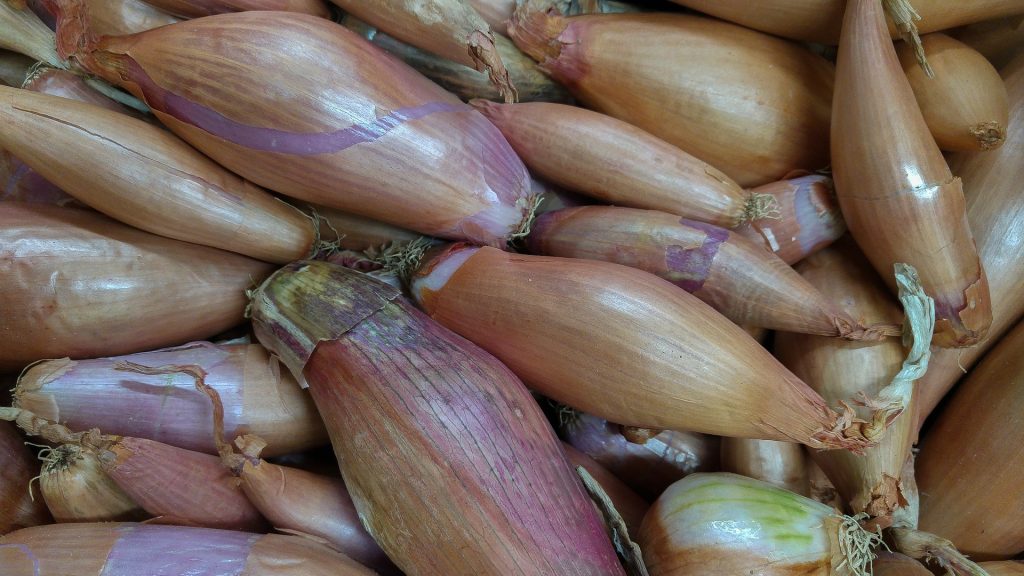
1. French Shallots: These shallots are elongated with reddish-brown skin and have a mild and subtly sweet flavour. They are commonly used in French cuisine and are favoured for their delicate taste.
2. Dutch Shallots: Dutch shallots are smaller in size with a more rounded shape. They have a sharper and stronger flavour compared to French shallots, making them a popular choice for those seeking a bolder taste.
3. Banana Shallots: As the name suggests, these shallots are elongated and resemble a small banana. They have a slightly milder flavour than French shallots and are often used in pickling and sauces.
Interesting Facts:
– Shallots belong to the allium family, which also includes onions, garlic, and leeks.
– They have a complex flavour profile, combining the sweetness of onions with a subtle hint of garlic.
– Shallots are rich in antioxidants, vitamins, and minerals, making them a nutritious addition to a balanced diet.
– In addition to their culinary uses, shallots have been used in traditional medicine for their potential health benefits, including anti-inflammatory and antimicrobial properties.
Storage Information
To ensure the longevity and quality of shallots, proper storage is essential. Store them in a cool, dry, and well-ventilated place, away from direct sunlight. Avoid storing them in the refrigerator, as the cold temperature can cause them to become soft and lose flavour. When stored correctly, shallots can last for several weeks.
Cooking Tips:
– Shallots can be used as a flavour enhancer in a wide range of dishes, including soups, sauces, stir-fries, and dressings.
– They can be sautéed, caramelized, or roasted to bring out their natural sweetness and depth of flavour.
– Shallots can be thinly sliced and used raw in salads or as a garnish to add a subtle onion-like taste.
– They pair well with various herbs and spices, such as thyme, rosemary, and black pepper, adding complexity to dishes.
Shallots, with their rich history, diverse varieties, and versatile culinary uses, continue to be a staple ingredient in kitchens worldwide. Whether adding depth to a sauce, providing a subtle sweetness to a dish, or being the star ingredient in a recipe, shallots offer a unique and flavourful experience. So, the next time you’re looking to elevate your culinary creations, consider incorporating shallots into your repertoire and explore the endless possibilities they bring to your cooking.