Breaking Bread: A Deep Dive into the History, Types, and Secrets of Bread
Bread, a staple food consumed worldwide, holds a significant place in human history and culture. From ancient times to the present day, bread has evolved in various forms, each with its unique characteristics and flavours. In this comprehensive article, we will explore the fascinating history of bread, its global population, interesting facts, proper storage techniques, essential tips for bread lovers, and a brief description of some popular types of bread.
History
Bread holds a significant place in human history, with its origins dating back thousands of years. It is believed that bread-making began around 10,000 BCE, during the Neolithic era when humans transitioned from a nomadic lifestyle to settled communities. The cultivation of grains, such as wheat, barley, and millet, led to the discovery of the transformative power of grinding grains into flour and combining it with water to create a simple dough.
The earliest evidence of bread-making comes from archaeological sites in the Middle East, particularly in ancient Mesopotamia (modern-day Iraq) and Egypt. In Mesopotamia, the Sumerians are credited with developing the first leavened bread around 3000 BCE. They discovered that adding fermented dough from a previous batch to fresh dough resulted in a lighter and more flavourful bread. This process, known as leavening, introduced the use of wild yeasts and bacteria, which produced carbon dioxide, causing the dough to rise.
In ancient Egypt, bread held immense cultural and religious significance. It was a staple food for both the common people and the elite. The Egyptians developed advanced techniques for bread-making, including using stone grinding mills and fermenting dough in warm temperatures. They also had a variety of bread types, including loaves with different shapes and sizes, some flavoured with ingredients like honey or herbs.
As civilizations flourished and trade routes expanded, bread-making techniques spread across different regions. The Greeks and Romans inherited their bread-making traditions from the Egyptians, with the Romans further refining the process by developing large-scale bakeries and mills. The Romans also introduced new grains, such as spelt and rye, expanding the variety of bread available.
During the Middle Ages, bread remained a staple food in Europe, with each region developing its own unique bread traditions. Monasteries played a significant role in bread production, as they had access to large quantities of grains and the knowledge of bread-making techniques. They often created hearty, dense breads that could sustain the monks during periods of fasting.
In the 18th century, the Industrial Revolution brought significant advancements to bread production. The invention of the steam-powered mill revolutionized flour production, making it faster and more efficient. This led to the mass production of white flour, which was favoured by the upper classes. However, it also resulted in the loss of nutrients present in whole grains, leading to nutritional concerns.
In the 20th century, bread-making techniques continued to evolve with the advent of commercial yeast and mechanized processes. Sliced bread became popular with the invention of the bread-slicing machine in 1928, making it more convenient for households. However, the desire for convenience and longer shelf life led to the rise of industrially produced bread, often containing additives and preservatives.
Today, there is a growing interest in traditional and artisanal bread-making methods. Many bakers and enthusiasts are rediscovering ancient grains, sourdough fermentation, and long fermentation processes, which yield bread with enhanced flavours, textures, and nutritional profiles. Bread continues to be a beloved food worldwide, connecting us to our past and nourishing us in the present.
By understanding the rich history of bread, we can appreciate the cultural significance, technological advancements, and the sheer craftsmanship that has shaped this humble food throughout the ages.
Population
Bread is consumed by a vast population globally, making it one of the most widely consumed food items. It is a dietary staple in many countries, including but not limited to, France, Italy, India, Mexico, and the United States. The popularity of bread can be attributed to its versatility and ability to be adapted to different cultural preferences.
Interesting Facts:
– Bread has played a significant role in religious and cultural traditions. For example, unleavened bread, like matzo, holds great importance in Jewish Passover celebrations.
– The world’s largest loaf of bread ever baked weighed 6,384 pounds, created in the United Kingdom in 2001.
– The process of making bread involves the fermentation of dough, which allows yeast or sourdough cultures to convert sugars into carbon dioxide, resulting in the bread’s rise.
Storage Information
To maintain the freshness and quality of bread, proper storage is essential. Here are some tips:
– Most bread is best stored at room temperature in a cool, dry place, away from direct sunlight and heat sources.
– It is advisable to keep bread in a sealed bag or bread box to prevent it from drying out or becoming stale.
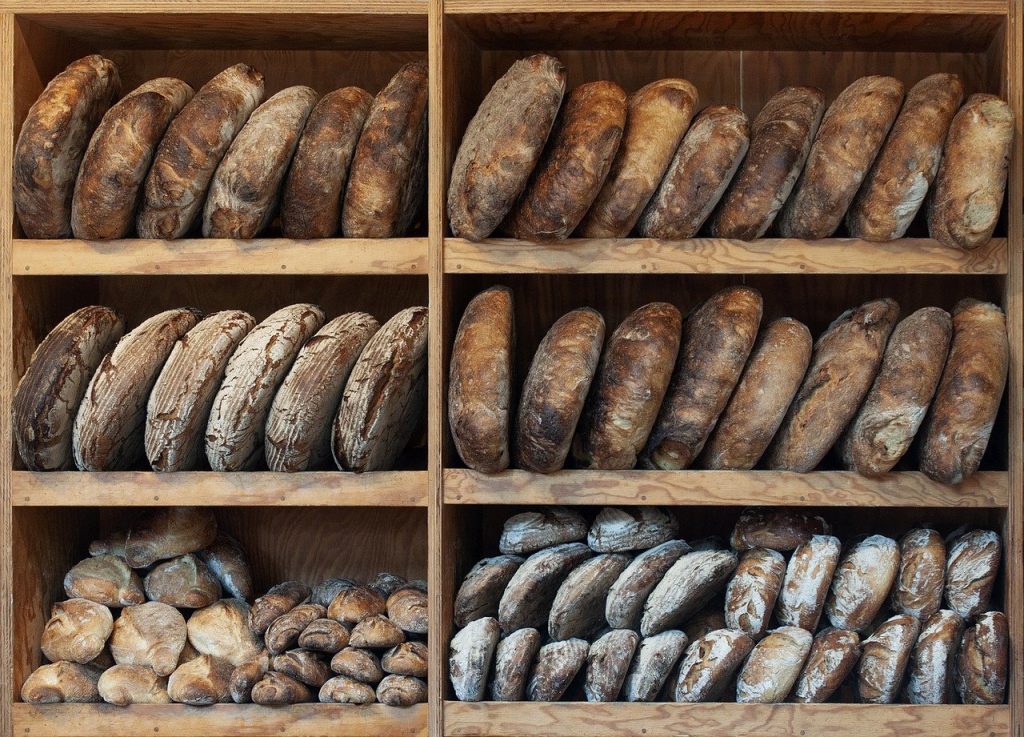
– Some bread, like artisanal loaves, may benefit from being stored in a paper bag to maintain its crustiness.
Tips for Bread Lovers:
– Freshly baked bread is best enjoyed on the same day. If you have leftovers, consider making delicious sandwiches or toasting the bread to revive its texture and flavour.
– Slicing bread before freezing can make it more convenient to thaw and use as needed.
– Stale bread can be repurposed into breadcrumbs, croutons, or bread pudding, reducing food waste, and adding flavour to your dishes.
– Experiment with different types of bread to explore their unique flavours and textures, enhancing your culinary experiences.
Types of Bread
1. Anpan: A Japanese sweet bun filled with red bean paste, popular as a snack or dessert.
READ MORE: Anpan: A Sweet and Savory Japanese Delight with a Rich Cultural Heritage
2. Arepa: A traditional cornbread from Latin America, often enjoyed as a versatile base for various fillings.
READ MORE: Arepa Bread: Venezuela’s Iconic Culinary Treasure
3. Bagel: A ring-shaped bread with a dense and chewy texture, commonly topped with sesame or poppy seeds.
READ MORE: Bagel: A Ring of History and Flavour
4. Baguette: A long, thin French bread with a crispy crust and soft interior, perfect for sandwiches or as an accompaniment to meals.
READ MORE: Baguette: The Crispy Icon of French Baking
5. Banana Bread: A moist and flavourful bread made with ripe bananas, often enjoyed as a sweet treat.
READ MORE: Banana Bread: A Slice of Baked History
6. Bing: A Chinese flatbread with a chewy texture, often filled with meats or vegetables.
READ MORE: Exploring the World of Bing: A Deep Dive into the Bread Delight
7. Breadstick: A thin, crispy bread often seasoned with herbs or spices, commonly served as an appetizer or accompaniment to soups.
READ MORE: From Grissini to Gourmet: The Rise of Breadsticks
8. Brioche: A rich and buttery French bread with a tender crumb, often enjoyed as a breakfast or dessert bread.
READ MORE: Brioche: The French Artistry of Enriched Bread
9. Broa: A traditional Portuguese cornbread made with cornmeal and wheat flour, known for its dense texture and hearty flavour.
READ MORE: Broa Bread: A Heritage of Flavour and Tradition
10. Brown Bread: A bread made with whole wheat flour or a combination of different grains, offering a nutty flavour and higher nutritional value.
READ MORE: Brown Bread: A Nutritious Staple with a Rich History and Diverse Varieties
11. Ciabatta: An Italian bread with a soft and chewy interior and a crispy crust, ideal for sandwiches or dipping in olive oil.
READ MORE: Ciabatta: The Rustic Italian Loaf That Captivates Palates
12. Challah: A Jewish braided bread enriched with eggs and often enjoyed on special occasions like Sabbath and holidays.
READ MORE: Challah: Braided Elegance in Every Slice
13. Chapati: A staple flatbread in Indian cuisine, made with whole wheat flour and cooked on a griddle.
READ MORE: The Essence of Chapati: A Journey Through Time and Tradition
14. Cornbread: A bread made with cornmeal, popular in Southern United States cuisine, often served with chili or as a side dish.
READ MORE: Cornbread: A Culinary Classic with Southern Roots and Global Appeal
15. Cottage Loaf: A traditional British bread with two round layers, one on top of the other, creating a distinctive shape.
16. Crepe: A thin, delicate pancake-like bread, enjoyed with various sweet or savoury fillings.
17. Croutons: Small, crispy bread cubes often used as toppings for salads or soups.
18. English Muffin: A round, flat bread with a slightly sour taste, typically split and toasted before serving.
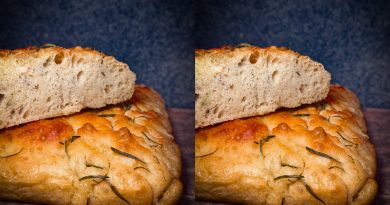
19. Focaccia: An Italian flatbread with a soft and pillowy texture, often topped with olive oil, herbs, and other ingredients.
READ MORE: Focaccia: The Timeless Italian Flatbread
20. Gluten-free Bread: Bread made without gluten-containing grains like wheat, suitable for individuals with gluten sensitivities or celiac disease.
21. Injera Bread: A sourdough flatbread from Ethiopia and Eritrea, used as a staple food and eaten with various stews and dishes.
22. Knackerbrod: A traditional Scandinavian crispbread, known for its thin and crispy texture, often enjoyed with toppings like cheese or spreads.
23. Matzo Bread: An unleavened bread eaten during the Jewish holiday of Passover, made with only flour and water.
24. Multigrain Bread: Bread made with a combination of different grains, offering a variety of flavours and textures.
25. Naan: A soft and fluffy Indian bread, typically cooked in a tandoor oven and enjoyed with curries or other dishes.
26. Pita Bread: A round, pocketed bread originating from the Middle East, commonly used for sandwiches or filled with falafel or kebabs.
27. Pretzel: A twisted bread snack with a chewy texture, often sprinkled with coarse salt and enjoyed with mustard or cheese dips.
28. Pumpernickel: A dense and dark German bread made with rye flour, often characterized by its rich flavour and long baking process.
29. Rye Bread: A bread made primarily with rye flour, offering a distinct flavour and often enjoyed in Scandinavian and Eastern European cuisines.
30. Soda Bread: A quick bread made with baking soda as a leavening agent, commonly associated with Irish cuisine.
31. Sourdough Bread: A bread made with a sourdough starter, resulting in a tangy flavour and chewy texture.
32. Tortilla: A thin, unleavened flatbread commonly used in Mexican cuisine for tacos, quesadillas, and wraps.
33. White Bread: A classic bread made with refined wheat flour, known for its soft texture and mild taste.
34. Vanocka Bread: A traditional Czech braided bread often enjoyed during Christmas, flavoured with raisins and almonds.
35. Zopf Bread: A Swiss braided bread made with enriched dough, typically enjoyed on Sundays or special occasions.
In conclusion, bread is a beloved and versatile food that has evolved over centuries, catering to diverse cultural preferences and culinary traditions. From the humble baguette to the flavourful ciabatta, the world of bread offers a wide range of options to satisfy every palate. So, whether you’re enjoying a warm slice of banana bread or savouring the crunch of a fresh bagel, bread continues to be a timeless culinary delight that brings people together and enriches our dining experiences.