
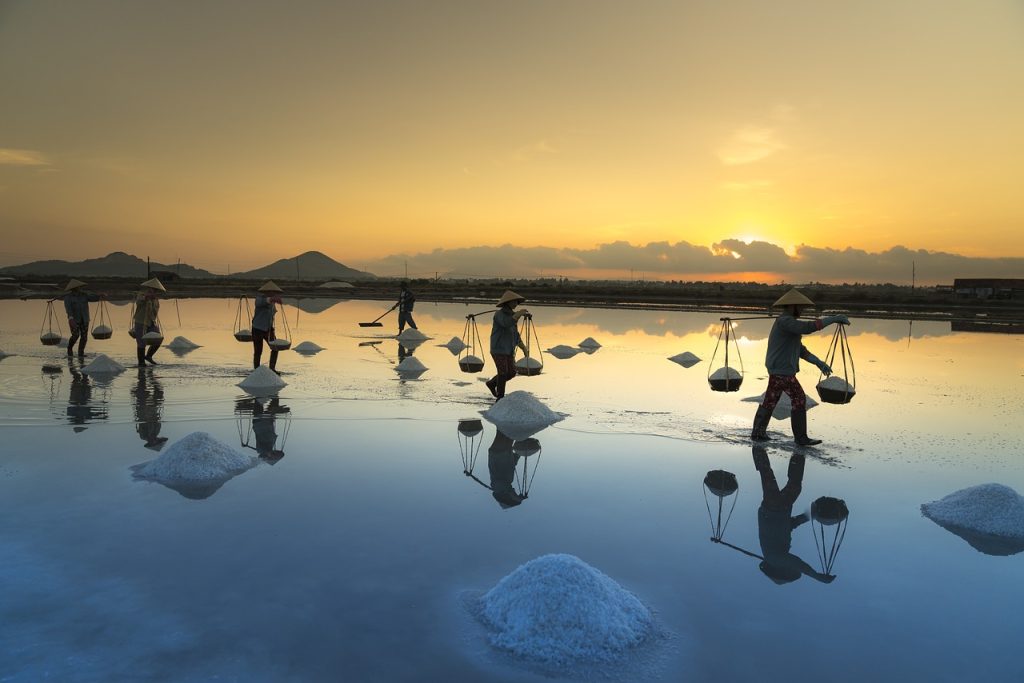
Sea Salt: A Journey through Time and Flavour
Sea salt, with its delicate crystals and distinct taste, has been a prized ingredient in culinary traditions around the world for centuries. Derived from the evaporation of seawater, this natural salt offers a unique flavour and a rich history. In this article, we will explore the origin, features, types, interesting facts, and culinary uses of sea salt, uncovering the secrets behind its enduring popularity and culinary versatility.
History and Origin
Sea salt has a fascinating history that dates back thousands of years. The process of harvesting salt from seawater can be traced to ancient civilizations such as Egypt, China, and Greece. In fact, it is believed that the Egyptians were among the first to extract salt from the sea. Over time, sea salt became a valuable commodity and played a crucial role in the development of trade routes and economies.
Features of Sea Salt
Sea salt is produced through the evaporation of seawater, typically using solar or wind methods. This natural process allows the salt to retain trace minerals, giving it a unique flavour and texture. The exact composition of sea salt varies depending on the region and the specific sea from which it is harvested. The delicate crystals and slightly moist texture of sea salt make it a favourite among chefs and home cooks alike.
Types of Sea Salt
There are various types of sea salt, each with its own distinct characteristics. Here are a few notable varieties:
1. Fleur de Sel: Known as the “flower of salt,” this premium sea salt is hand-harvested from the surface of salt ponds. It has a delicate texture, subtle flavour, and is often used as a finishing salt.
2. Sel Gris: Also known as grey salt, Sel Gris is harvested from the bottom of salt ponds. It has a slightly damp texture and a briny, mineral-rich flavour. Sel Gris is commonly used in cooking and as a seasoning for grilled meats and vegetables.
3. Himalayan Pink Salt: Mined from ancient sea salt deposits in the Himalayan Mountains, this salt is renowned for its distinctive pink colour and subtle flavour. It is often used as a finishing salt and adds visual appeal to dishes.
Interesting Facts:
– Sea salt contains a variety of trace minerals, including magnesium, calcium, and potassium, which can contribute to its unique flavour and potential health benefits.
– The different colours of sea salt, ranging from white to pink and grey, are a result of the mineral content and impurities present in the seawater.
– Sea salt is considered to have a softer, milder taste compared to table salt, making it a preferred choice for many culinary enthusiasts.
Culinary Uses
Sea salt’s versatile flavour and texture make it a popular choice in various culinary applications. Here are some common uses:
1. Seasoning: Sea salt can be used as a general seasoning for enhancing the flavours of a wide range of dishes, from roasted vegetables to grilled meats.
2. Finishing Salt: The delicate crystals of sea salt make it an ideal finishing touch for plated dishes. Sprinkle a pinch of sea salt just before serving to add a burst of flavour and a hint of texture.
3. Baking: Sea salt can elevate baked goods by enhancing the flavours of sweet treats like cookies, cakes, and chocolates.
4. Salt-Rimmed Cocktails: Sea salt is often used to rim the glasses of cocktails, such as margaritas or bloody marys, adding a touch of saltiness that complements the flavours of the drink.
Sea salt, with its rich history, unique flavours, and versatile culinary uses, has stood the test of time as a beloved ingredient in kitchens worldwide. From its ancient origins to its modern-day applications, sea salt continues to be cherished for its delicate crystals, distinct taste, and potential health benefits. So, the next time you reach for salt in your kitchen, consider the subtle complexities of sea salt and let it enhance your culinary creations.
Note: As with any ingredient, it’s important to use sea salt in moderation and according to personal taste preferences.

Pingback: Types of salt – FoodLullabies