

Types of salt
Salt is one of the most fundamental ingredients in any dish, however, not all salts are created equal. There are various types of salt, each with its own unique properties to give a distinct flavor to your dishes. In this blog post, we’ll be discussing different types of salt, where they come from, how they are, and what they are used for.
Table Salt
Table salt is the most common type of salt found in homes and used in cooking. This fine-grained salt is mined from underground salt deposits and is extensively processed to remove any impurities. Table salt has a more potent salty taste than any other type of salt due to its fine grind.
READ MORE: Salt, the Culinary Alchemist: Uncovering the Wonders of Table Salt
Kosher Salt
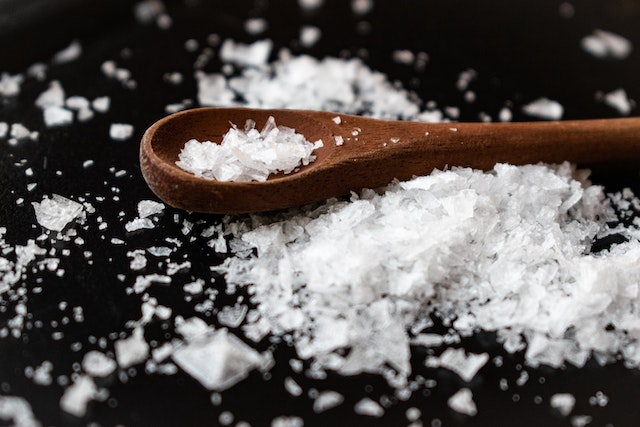
Kosher salt is a larger-grained salt compared to table salt, making it easier to pinch and sprinkle. Kosher salt is made by compacting granulated salt, forming pyramid-like crystals. Unlike table salt, kosher salt contains no iodine or anti-caking agents, which can slightly alter its taste.
READ MORE: Kosher Salt: A Staple in Culinary Excellence
Sea Salt
Sea salt is harvested by evaporating seawater, creating large, flaky crystals that are usually available in a variety of colors, including pink, gray, and black. The trace minerals present in sea salt give it a different element than that of table salt, making it ideal for use in cooking and finishing dishes.
READ MORE: Sea Salt: A Journey through Time and Flavour
Himalayan Salt
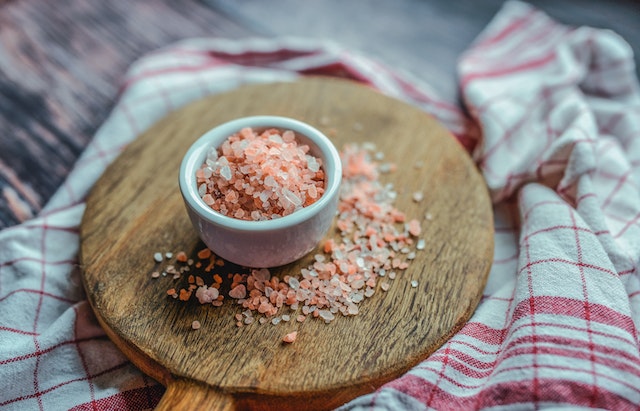
Himalayan salt, also known as pink salt, is a type of rock salt that is mined from the Himalayan mountains. Pink Himalayan salt is unrefined and still contains small amounts of minerals, giving it a unique pink hue and a slightly different taste than table salt. This salt is also said to have health benefits, including reduced inflammation and improved respiratory function.
READ MORE: Himalayan Salt: The Pink Jewel of Culinary Delights
Fleur de Sel
Fleur de Sel is considered the most prestigious type of salt due to its delicate flavor and texture. This unique salt is hand-harvested from the surface of salt marshes before it sinks to the bottom, creating small moist crystals that easily dissolve. Fleur de sel is an excellent finishing salt that can be sprinkled onto dishes just before serving.
READ MORE: Beyond Ordinary Salt: Discovering the Allure of Fleur de Sel in the Culinary World
Salt is an essential pantry item, and it’s crucial to understand the differences between various types of salt. From table salt to Fleur de Sel, each kind offers different flavor profiles to enhance your cooking. Experimenting with different salts can help add variety and complexity to your dishes, and understanding their unique properties will allow you to use them effectively in your cooking.

Pingback: Coconut Chicken – FoodLullabies
Pingback: Lightly Salted Pickled Cucumbers – FoodLullabies
Pingback: Chicken Salad – FoodLullabies
Pingback: Breakfast Toast – FoodLullabies
Pingback: Grain Cottage Cheese and Spring Onions Tapas – FoodLullabies
Pingback: Pickled Garlic Scapes – FoodLullabies
Pingback: Creamy Garlic Parmesan Pasta – FoodLullabies
Pingback: Homemade Kimchi With Carrots – FoodLullabies
Pingback: Roasted Tomato and White Bean Skillet with Burratinis – FoodLullabies