
Cooking oils: everything you need to know
Cooking oil is an integral part of any kitchen, and choosing the right type can make a significant difference in the final taste of your dish. There are many types of cooking oil, each with its unique flavor, composition, and culinary use. In this blog post, we’ll be discussing the various types of cooking oil, from where they come from to their flavor profiles and ideal.
Olive Oil
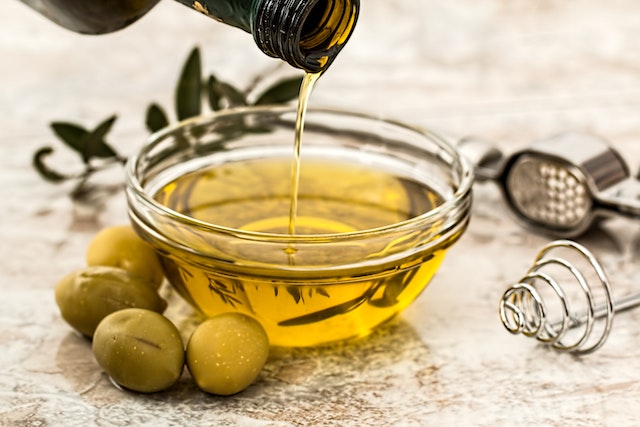
Olive oil is one of the most popular cooking oils known for its distinct flavor and aroma. It’s made from pressed olives and is rich in monounsaturated fats and antioxidants, which makes it an ideal oil for cooking or as a salad dressing. Olive oil is excellent for sauteing, roasting, and as a finishing oil.
READ MORE: Olive Oil: A Liquid Gold of Ancient Origins
Peanut Oil
Peanut oil is widely used in Asian cuisine due to its high smoke point. Made from peanuts, this oil contains a nutty flavor, making it ideal for stir-fries, deep-frying, and sauteing.
READ MORE: Peanut Oil: A Versatile Culinary Companion
Sunflower Oil

Sunflower oil is made from pressed sunflower seeds, and its flavor is relatively neutral, making it a popular option for baking, frying, and cooking at high temperatures. Sunflower oil is also an excellent source of vitamin E and has a low amount of saturated fat.
READ MORE: The Golden Elixir: Exploring the Richness of Sunflower Oil in the Kitchen
Coconut Oil
Coconut oil is a plant-based oil that is becoming increasingly popular due to its health benefits. This oil is solid at room temperature but melts easily when heated. It’s ideal for baking, sauteing, stir-frying, and as a substitute for butter in many recipes.
READ MORE: Coconut Oil: A Versatile and Nutritious Superfood
Canola Oil
Canola oil is made from the rapeseed plant and is low in saturated fats. It has a neutral flavor, making it ideal for baking and frying at high temperatures. It’s also commonly used in dressings and mayonnaise.
READ MORE: Discover the Health Benefits and Culinary Magic of Canola Oil
Sesame Oil
Sesame oil is made from sesame seeds and has a nutty flavor, making it an essential ingredient in many Asian and Middle Eastern cuisines. Its strong flavor means it’s usually added at the end of cooking like a finishing oil, instead of being used for frying or sautéing the way other oils are used.
READ MORE: Sesame Oil: A Flavourful Journey through History and Cuisine
There are many types of cooking oils, each with its own unique flavor and ideal usage. Understanding the differences between each oil and when to use them can elevate your dishes to the next level. By experimenting with different oils, you can uncover new flavors and discover new culinary techniques to enhance your cooking repertoire.

Pingback: Coconut Chicken – FoodLullabies
Pingback: Oven baked fresh potatoes – FoodLullabies
Pingback: Grilled Veggie Skewers – FoodLullabies
Pingback: Potato Wedges – FoodLullabies
Pingback: Spinach Stuffed Chicken – FoodLullabies
Pingback: Mango Chicken Curry – FoodLullabies
Pingback: Tomato sauce – FoodLullabies
Pingback: Rice With Green Asparagus and Egg – FoodLullabies
Pingback: Garlic and Parsley Grilled Pork Belly – FoodLullabies
Pingback: Coriander Marinade for Roasted Duck – FoodLullabies
Pingback: Spicy Creamy Chicken Bowl – FoodLullabies
Pingback: Roasted Tomato and White Bean Skillet with Burratinis – FoodLullabies
Pingback: Korean-Style Pork Belly – FoodLullabies