The Many Faces of Onions: A Deep Dive into Flavourful Varieties
Onions, those humble and versatile vegetables, have been a culinary staple for centuries, adding depth, flavour, and aroma to countless dishes around the world. From the pungent and robust yellow onions to the delicate and sweet shallots, the onion family encompasses a diverse array of flavours and culinary uses. In this comprehensive guide, we will delve into the fascinating world of onions, exploring their history, intriguing facts, population, and the wide range of culinary applications for some of the most popular onion varieties.
Throughout history, onions have played a significant role in various cultures and cuisines. Dating back thousands of years, they have been cultivated and consumed in diverse regions, leaving their aromatic and distinctive mark on traditional dishes. These versatile vegetables have not only provided nourishment but also added layers of complexity to culinary creations, enhancing the flavours and aromas that tantalize our taste buds.
As we embark on this journey through the world of onions, we will explore the historical roots of each variety, uncover interesting facts about their unique characteristics, and highlight their popularity in different regions. We will also delve into the culinary landscape, discovering the myriad of ways these onions can be used to elevate and transform dishes, from the simplest salads to the most elaborate gourmet creations.
Prepare to be captivated by the rich history of onions and their remarkable culinary contributions. Whether you are a seasoned chef, a passionate home cook, or simply an onion enthusiast eager to expand your knowledge, this comprehensive guide will serve as a valuable resource, offering insights into the world’s most beloved onion varieties.
So, join us as we peel back the layers and dive into the fascinating realm of yellow onions, red onions, white onions, sweet onions, scallions, shallots, pearl onions, leeks, ramps, and cipolline. From their origins and cultivation to the unique flavour profiles and culinary uses, this exploration will deepen your understanding and appreciation for these remarkable vegetables.
Get ready to embark on a flavourful journey, where the tantalizing aroma of sautéed onions, the vibrant hues of pickled varieties, and the delicate sweetness of caramelized shallots await. Let’s unravel the secrets and celebrate the remarkable diversity of onions that continue to shape the global culinary landscape.
1. Yellow Onions:
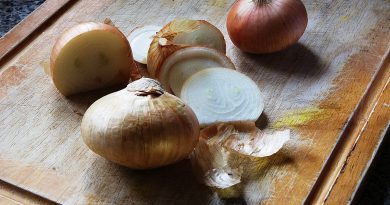
– History: Yellow onions, also known as brown onions, have been cultivated for centuries and are considered one of the most widely used onion varieties.
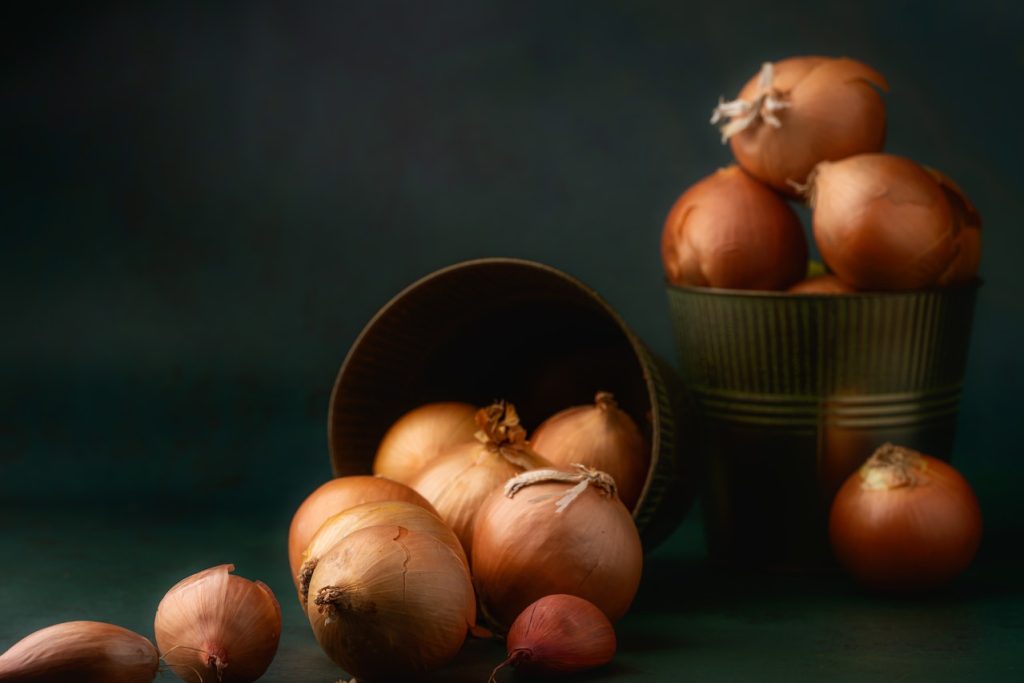
– Interesting Facts: With a strong flavour and a pungent aroma, yellow onions are commonly used as a base ingredient in many savoury dishes.
– Population: Yellow onions are widely cultivated and consumed worldwide, making them one of the most popular onion varieties.
– Culinary Uses: They are excellent for sautéing, caramelizing, or adding depth to soups, stews, and sauces.
READ MORE: Yellow Onions: The Golden Key to Savory Delights
2. Red Onions:
– History: Red onions have a long history and have been grown for thousands of years.
– Interesting Facts: Known for their vibrant colour and mild flavour, red onions are often enjoyed raw in salads and sandwiches.
– Population: Red onions are popular in many cuisines, particularly in Mediterranean and Latin American dishes.
– Culinary Uses: They add a pop of colour to salads, salsas, and pickled preparations due to their attractive hue and milder taste.
READ MORE: Red Onions: A Taste of Zest and Beauty in Every Bite
3. White Onions:
– History: White onions have been cultivated for centuries and are known for their mild flavour.
– Interesting Facts: These onions have a higher water content and a delicate taste, making them ideal for dishes where a strong onion flavour is not desired.
– Population: White onions are popular in Mexican and Latin American cuisines, where their crisp texture and mild flavour are appreciated.
– Culinary Uses: They are commonly used in raw preparations, such as fresh salsas, ceviche, and guacamole.
READ MORE: White Onions 101: Exploring Their Culinary Uses and Techniques
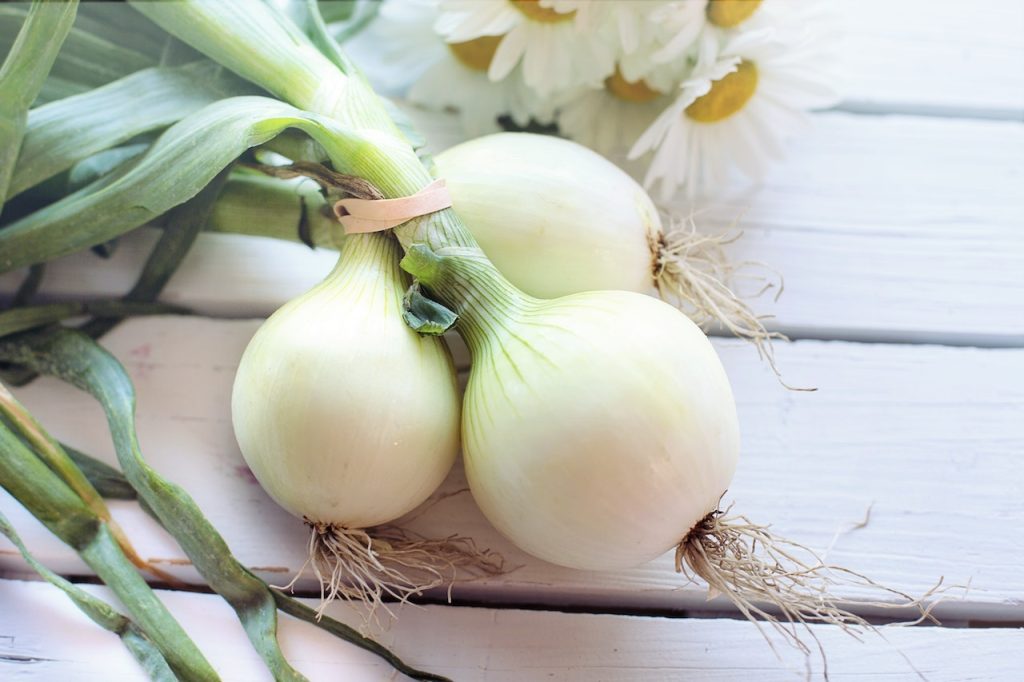
4. Sweet Onions:
– History: Sweet onions have a rich history and are cultivated in specific regions known for their unique soil conditions.
– Interesting Facts: With a significantly lower sulphur content, sweet onions offer a milder and sweeter taste compared to other onion varieties.
– Population: Popular sweet onion varieties include Vidalia onions from Georgia, Walla Walla onions from Washington, and Maui onions from Hawaii.
– Culinary Uses: They are fantastic when eaten raw in salads or used in delicately flavoured dishes, as their sweetness adds a delightful touch.
READ MORE: Unveiling the Secrets of Sweet Onions: History, Uses, and Storage Tips
5. Scallions:
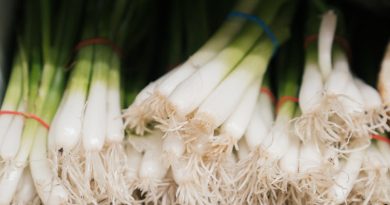
– History: Scallions, also known as green onions or spring onions, have been cultivated for thousands of years.
– Interesting Facts: Scallions are young onions harvested before the bulb fully forms, and they possess a mild onion flavour with a hint of freshness.
– Population: Scallions are widely used in Asian cuisines, particularly in Chinese, Korean, and Thai dishes.
– Culinary Uses: They are commonly used as a garnish, in stir-fries, soups, and salads, adding a crisp texture and mild onion flavour.
READ MORE: Scintillating Scallions: A Journey into the World of Green Onions
6. Shallots:
– History: Shallots have a long history and are believed to have originated in Central or Southeast Asia.
– Interesting Facts: Shallots have a more delicate and nuanced flavour compared to other onion varieties, with hints of garlic and sweetness.
– Population: Shallots are popular in French and Southeast Asian cuisines, where their unique flavour is highly prized.
– Culinary Uses: Shallots are often used in dressings, marinades, sauces, and roasted dishes, imparting a delightful depth of flavour.
READ MORE: Shallots: Enhancing Dishes with their Distinctive Taste and Aroma
7. Pearl Onions:
– History: Pearl onions, also known as button onions, have been cultivated for centuries and are typically small in size.
– Interesting Facts: These tiny onions have a mild and sweet flavour, making them a popular addition to various dishes.
– Population: Pearl onions are widely used in European and American cuisines, particularly in stews, braises, and pickled preparations.
– Culinary Uses: They are commonly used in soups, stews, casseroles, and as a garnish for meat dishes.
READ MORE: Pearl Onions: A Petite Delight with Big Flavour
8. Leeks:
– History: Leeks have a rich history and have been cultivated since ancient times, particularly in Mediterranean and Middle Eastern regions.
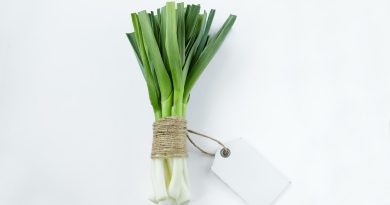
– Interesting Facts: Leeks have a mild onion flavour with a hint of sweetness and are prized for their tender white and light green parts.
– Population: Leeks are widely used in European cuisines, especially in dishes like soups, stews, and quiches.
– Culinary Uses: They are often used as a flavour base in stocks, sautéed as a side dish, or incorporated into various recipes for their unique taste.
READ MORE: Leeks: A Versatile and Nutritious Vegetable

9. Ramps:
– History: Ramps, also known as wild leeks, have a long history and are native to North America.
– Interesting Facts: Ramps have a pungent and garlicky flavour, and their availability is limited to a short season in the spring.
– Population: Ramps are highly sought after by chefs and food enthusiasts and are popular in Appalachian and Southern cuisines.
– Culinary Uses: Ramps are often used in pestos, sauces, compound butters, and sautéed as a side dish, adding a bold flavour to dishes.
READ MORE: Ramps: A Wild Spring Delicacy with a Rich Culinary and Cultural Heritage
10. Cipolline Onions:
– History: Cipolline onions, meaning “little onions” in Italian, have been cultivated for centuries in Italy.
– Interesting Facts: These small, flat-shaped onions have a sweet and mild flavour when cooked, making them a delightful addition to various dishes.
– Population: Cipolline onions are popular in Italian cuisine, particularly in braised dishes, roasts, and pickled preparations.
– Culinary Uses: They are often caramelized, roasted, or pickled to enhance their natural sweetness and used in pasta dishes, stews, and salads.
READ MORE: Cipolline Onions: Nature’s Sweetest Treasures
Onions are an integral part of culinary traditions worldwide, offering a wide range of flavours and culinary applications. From the pungent yellow onions to the delicate sweetness of shallots and the refreshing crispness of scallions, each onion variety brings its unique characteristics to the table. Whether you’re sautéing, caramelizing, pickling, or enjoying them raw, the diverse world of onions adds depth and flavour to countless dishes, making them a staple in kitchens around the globe.